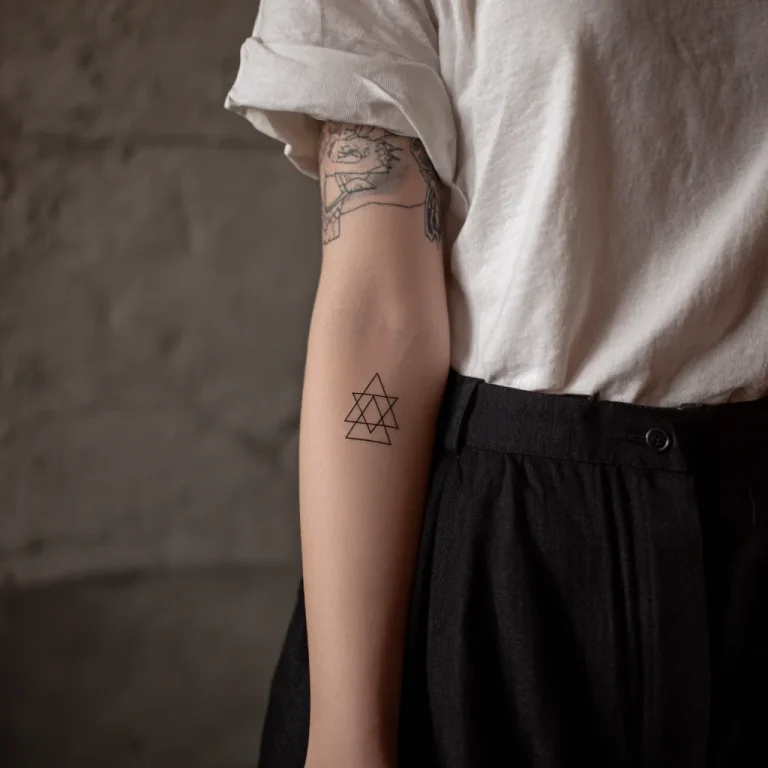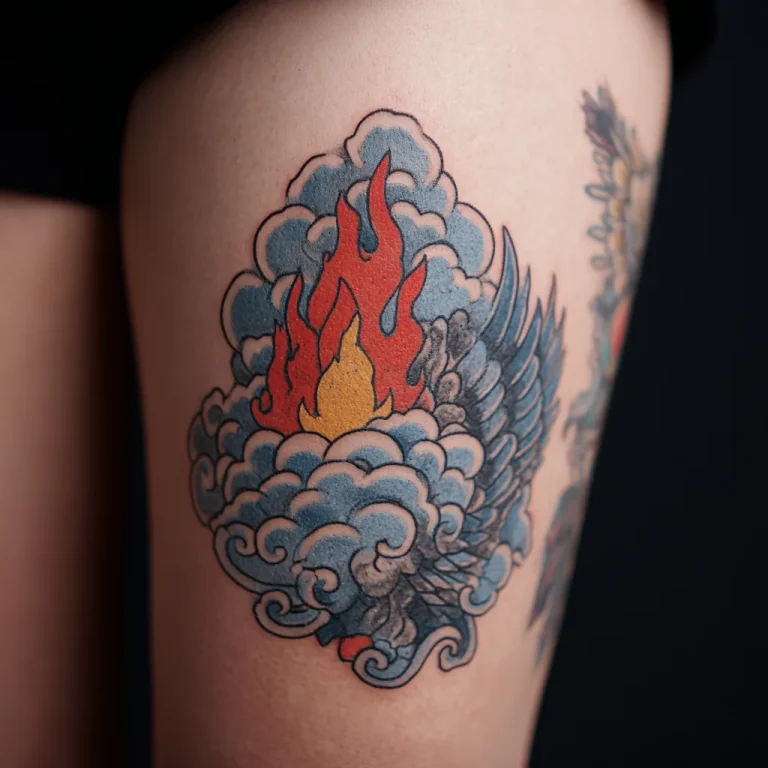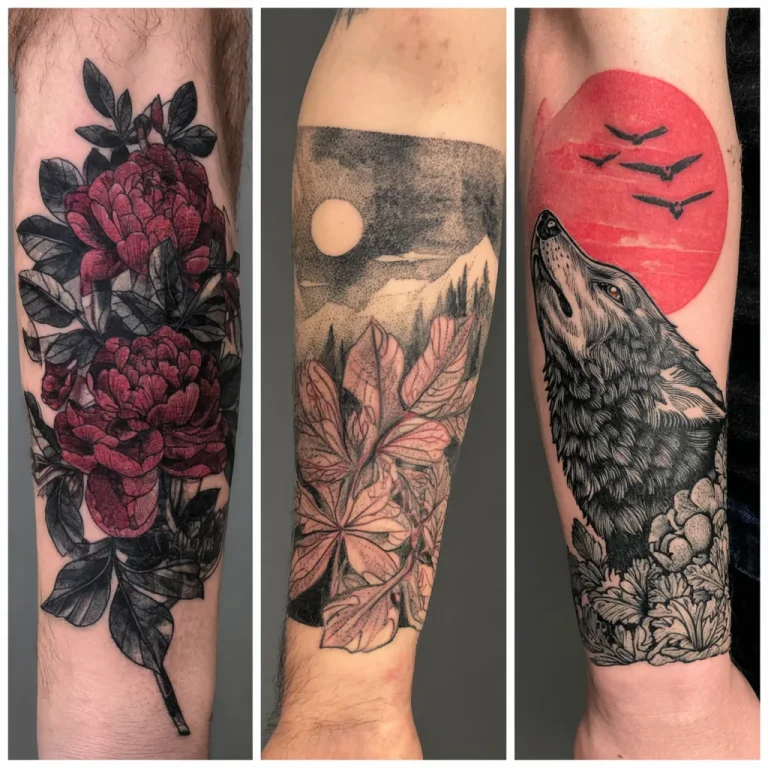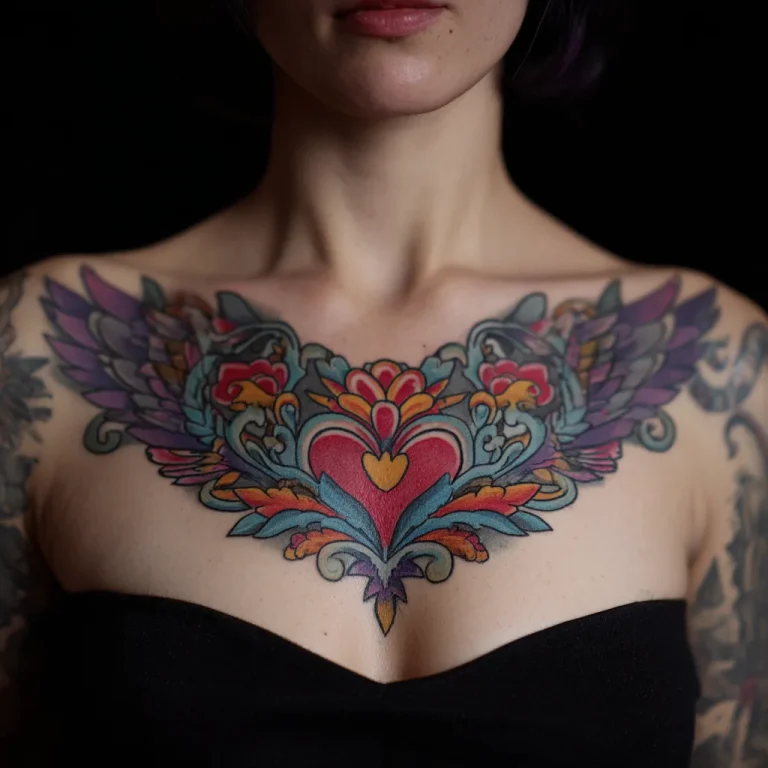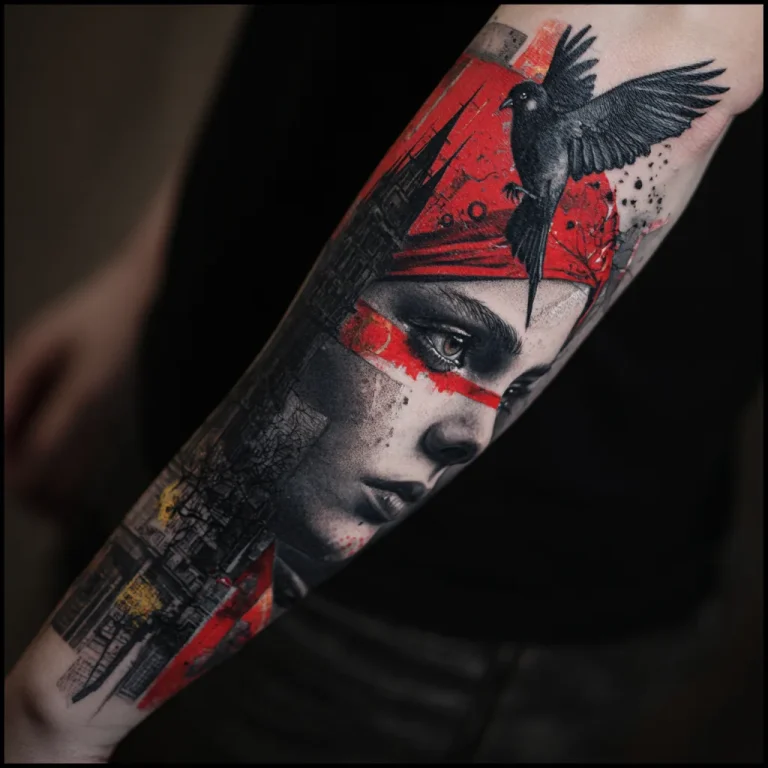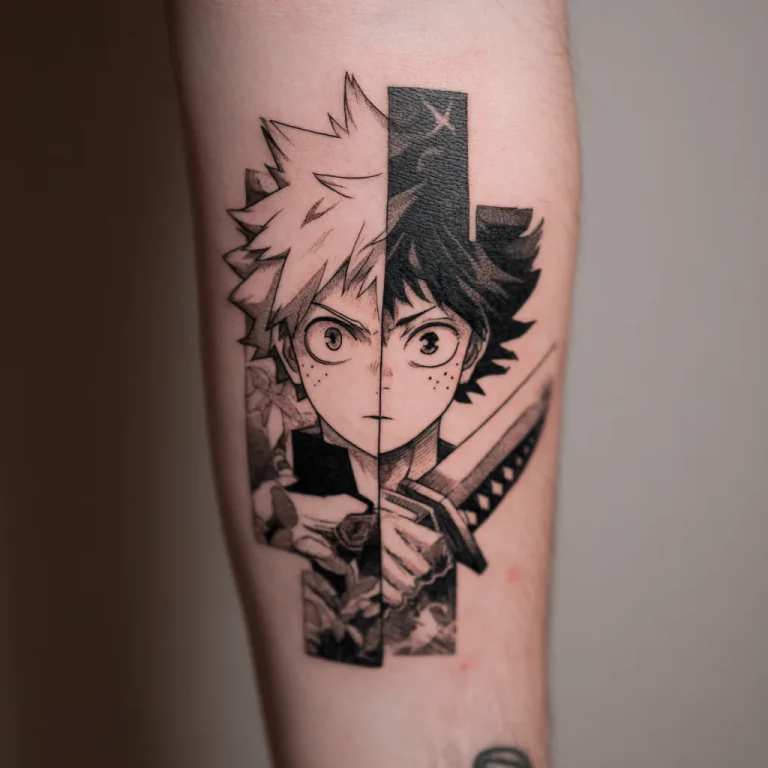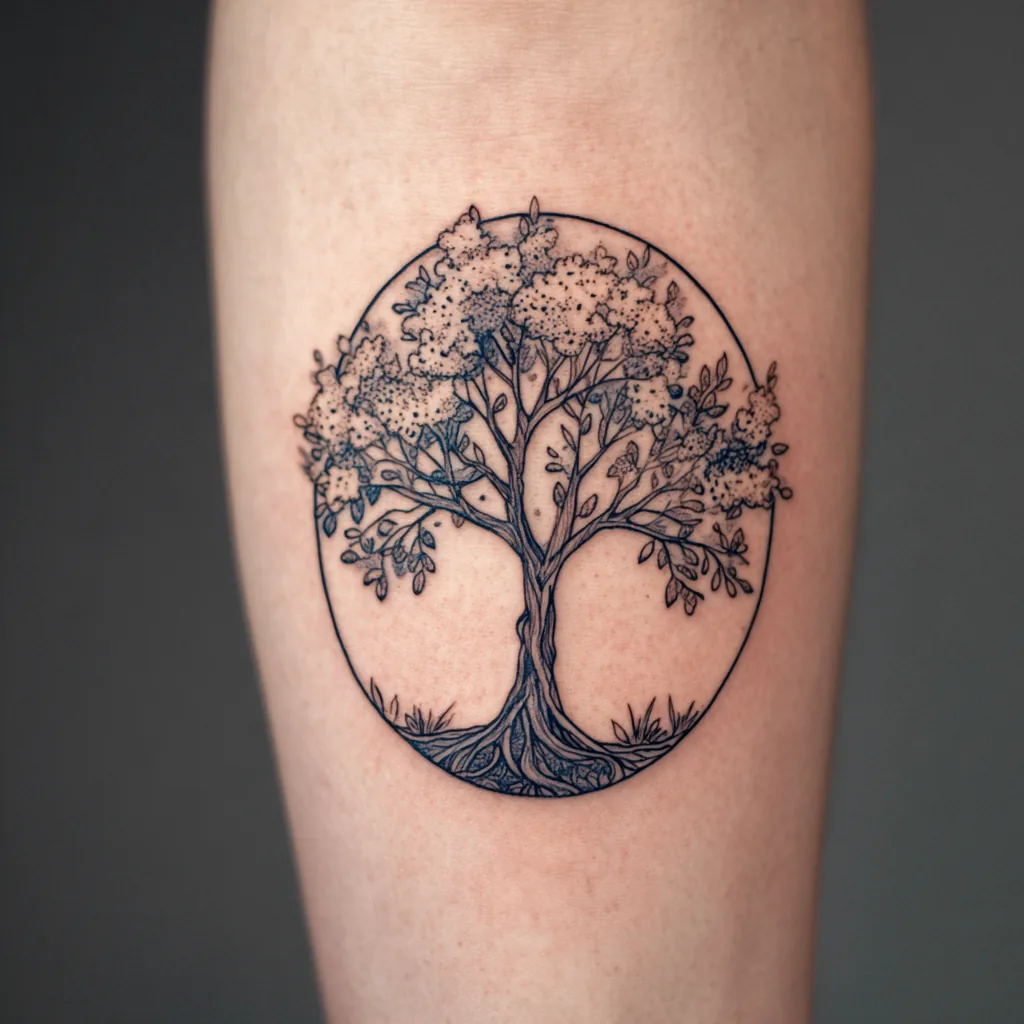
Tree of life tattoo, black and grey, shot in the chair.
Most people walk in wanting a Tree of Life for the same reason: roots and branches look like family, or growth, or both. Fair enough. The problem is that a tree is one of the easiest designs to get wrong on skin. Branches that read as a smudge from six feet away. Roots that look like a bowl of spaghetti. A tree so small it turns into a bush by year three.
So here’s what the symbol actually means, which styles hold up, where a tree belongs on a body, and what it’ll cost you. You can decide the rest at the consultation.
What Does a Tree of Life Tattoo Symbolize?
The Tree of Life shows up in Norse myth as Yggdrasil, the ash whose roots and branches hold the nine worlds together. It shows up in Celtic tradition as the crann bethadh, the tree that feeds and shelters the tribe. It shows up in Kabbalah, in Buddhism, in Maya cosmology. Different trees, same job: a thing that connects what’s below to what’s above.
That’s the shared symbolism. What it means on your arm is a separate question, and it’s yours to answer:
- Growth and resilience. Trees weather storms and keep going. If you’ve come through something, this is the honest read.
- Family and heritage. The family-tree version, often with initials, dates, or a birth month worked into the leaves.
- Balance. Roots underground, canopy in the air. Earth and sky in one shape.
- Interconnection. Everything touching everything else. The reason the design keeps reappearing across cultures that never met.
- Renewal. Bare branches, new leaves. Death and the next season in the same drawing.
Worth saying plainly: a traditional meaning and a personal one aren’t in competition. If Yggdrasil means nothing to you and the tree is about your kid, that’s not a lesser tattoo. It’s just yours.
Tree of Life Tattoo Styles (and Which Ones Age Well)
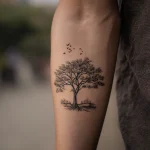
- Minimalist Tree of Life. Clean single-weight lines, no shading, often just a trunk and a few branches. Looks sharp on a wrist or behind the ear. Ages badly if it’s too small. Under about two inches, those gaps close up and you get a gray blob. Ask for a bigger scale than the reference photo.
- Celtic Tree of Life. Interlaced knots woven into the roots and branches. Genuinely intricate work, and it needs a real size. Cram a knotwork pattern into a two-inch space and nobody can read it. This one wants a forearm, a calf, or a back.
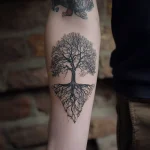
- Tree with roots and branches. The balanced, symmetrical version most people picture. Roots mirror the canopy. Great structure, forgiving at medium size.
- Tree and moon. Add a crescent, a full moon, or a moon phase arc behind the canopy. Works beautifully in black and gray, and it’s a natural fit if you already like moon tattoos.
- Realistic Tree of Life. Bark texture, leaf detail, soft shading. Stunning at large scale on a back or thigh. Expensive, and it wants an artist who actually does realism. This is not the piece for a walk-in special.
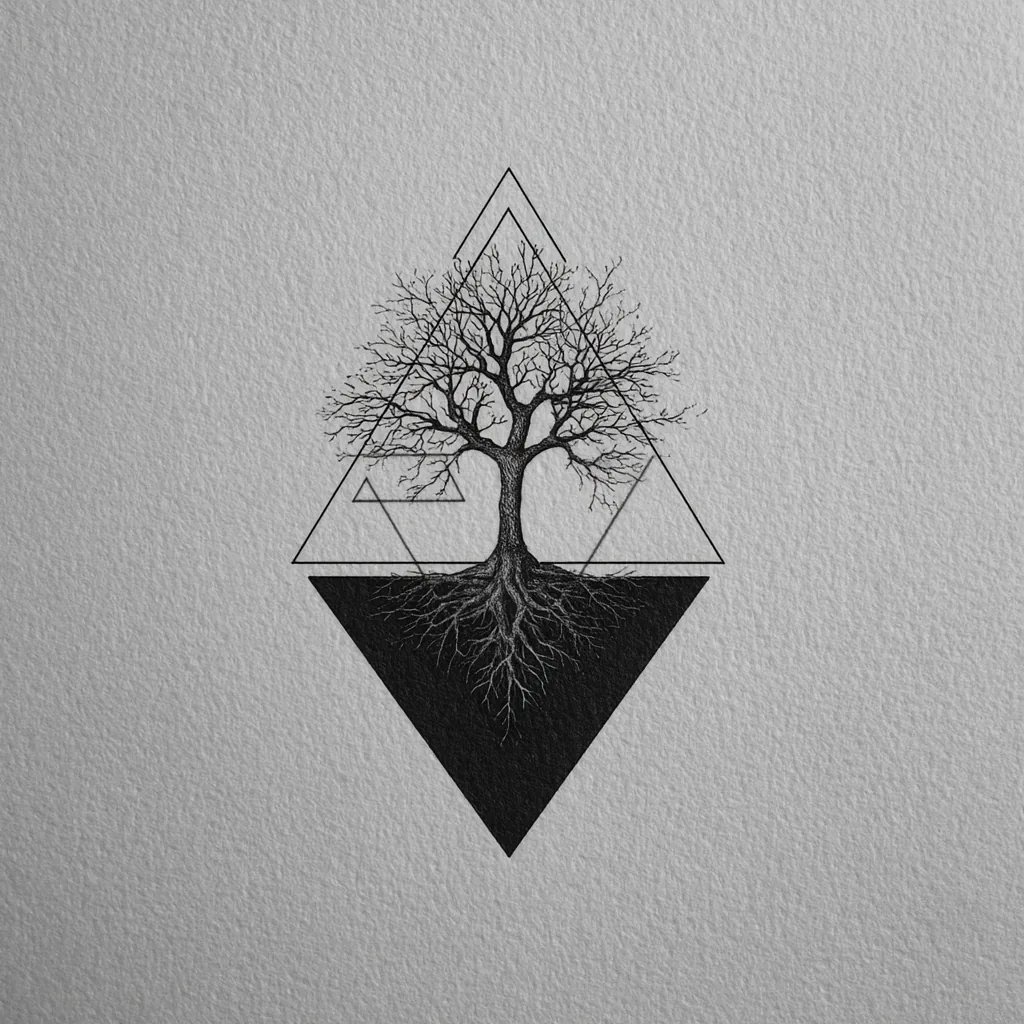
- Geometric Tree of Life. Branches built from straight lines, circles, or sacred geometry. Sharp and modern. Straight lines are unforgiving, so the artist’s linework has to be clean.
- Colorful Tree of Life. Blossoms, autumn leaves, watercolor washes. Beautiful when it’s fresh. Be honest about the trade: bright color fades faster than black, and it needs touch-ups every few years to stay loud.
Where to Put a Tree of Life Tattoo
The design has a natural vertical shape, so it plays best on long, flat, or wrapping areas. Here’s the honest rundown:
- Back. The best canvas for a large piece with real roots and detailed branches. Also the easiest place to sit for a long session.
- Forearm. Medium designs with flowing roots and branches. You’ll see it every day, which is either the point or a warning.
- Shoulder or collarbone. Elegant for a curving tree that follows the body’s line. Collarbone hurts more than people expect.
- Thigh or calf. Room for bold, detailed work without the price of a full back. Calf is a tough spot near the ankle bone.
- Wrist or ankle. Only for truly minimal versions, and only if you accept that fine detail there fades and blurs. If you want roots and leaves, this isn’t the spot.
One placement rule that saves people a lot of grief: if the tree has to bend around a joint, the branches will distort when you move. Design for the resting position, not the flexed one.
How Much Does a Tree of Life Tattoo Cost?
Estimates, not a rate card. A small, simple tree might start around $200. A larger, detailed piece runs $500 to $2,000 or more, and a full-back realistic tree can go well past that. Size, detail, and the artist’s hourly rate drive the number. For the full breakdown of what tattooers actually charge and why, read how much a tattoo really costs.
Tree of Life Tattoo FAQ
Does a Tree of Life tattoo have to mean family?
No. Family is the most common read, but growth, balance, spirituality, and renewal are just as valid. Pick the meaning that fits you and tell your artist, because it changes the design.
Can I personalize a Tree of Life tattoo?
Yes, and it’s usually the best part. Initials, dates, a birth flower, a favorite bird in the branches, a moon phase behind the canopy. Small details like that make it yours instead of a flash sheet.
Is the Tree of Life culturally specific?
It appears in many traditions, from Norse to Celtic to Kabbalah, but the core symbolism is universal. If you’re borrowing a specific cultural version, like Celtic knotwork, know what you’re borrowing and ask your artist to design it respectfully.
Will a small Tree of Life tattoo blur over time?
It can, especially under two inches with fine detail. Ink spreads slightly as skin ages, so tight gaps close up. Go bigger than the reference photo and keep the lines simple.
How long does a Tree of Life tattoo take?
A small minimalist piece is a one-session job, maybe an hour or two. A detailed forearm tree is a few hours. A realistic full back is a multi-session project measured in months, not hours.
A Story from the Chair
A client came in for a Tree of Life on her back. She’d recently reconnected with her estranged family and wanted something for their renewed bond. We designed a sprawling tree with thick roots and delicate branches, adding small initials for her family members, and I worked it in sections over a few sessions.
Midway through the first session she said, “This tree reminds me that no matter how far apart we’ve grown, our roots will always connect us.” I kept my mouth shut and kept tattooing, because that’s the whole point of the design. It’s not decoration. It’s a thing you look at on a bad day.
Supporting Resources
- Tree of Life Tattoo Inspiration: Tattoo Dojo
- Symbolism in Tree Tattoos: Inked Magazine
- Tattoo Placement and Design Tips: Tattoo Journal
Final Thoughts
Tree of Life tattoos hold up because the shape does the work: roots, trunk, canopy. The design fails when it’s too small, too detailed, or copied off somebody else’s arm. Before you book, decide what the tree means to you, pick a style that survives aging, and choose a placement with room to breathe. Then let your artist draw it, because a tree built for your body will always beat a tree built for a photo.
Related Posts:


About the Author