Walk into most reputable piercing studios and ask for snake eyes and you’ll get a version of the same answer: no. Not because piercers are squeamish. Because that horizontal barbell through the tip of your tongue sits right where your teeth live, and your mouth has opinions. It looks cool. It’s also the piercing a lot of pros quietly wish would disappear. Here’s the honest version before you book anything.
What Is a Snake Eyes Piercing?
This isn’t your average tongue stud. A snake eyes piercing is a horizontal barbell run through the tip of the tongue, with a ball poking out on each side. Two little eyes staring back at whoever you’re talking to. It’s often called a venom piercing when it’s done as two separate barbells, but snake eyes is the single horizontal bar across the front.
At first glance it’s edgy, sleek, and kind of badass. Pair it with a snake-themed tattoo and you’ve got a whole vibe going. The problem is what that bar is doing to the rest of your mouth every time you talk, chew, or swallow.
Are Snake Eyes Piercings Safe? The Risks, and There Are Plenty
Short answer: they’re not recommended by most professional piercers, and the reasons are practical, not squeamish. This isn’t like a standard tongue piercing. It’s way trickier and comes with some serious potential issues:
Dental Damage: Those metal balls are constantly hitting your teeth. Enamel doesn’t grow back. Cracks, chips, and erosion build up over months, not years.
Speech Issues: Some people find their speech changes permanently. That lisp might sound cute for about five minutes, then it’s just how you talk now.
Migration and Rejection: The tongue doesn’t like being pierced horizontally this way. It’s common for the body to push the jewelry out, which can leave a scar and a split tip.
Infections: Your mouth is a warm, wet bacteria factory. Without meticulous care, you’re opening the door to a nasty infection, and the tongue swells fast when it goes bad.
There’s a reason the Association of Professional Piercers doesn’t list this one as a standard placement. When a piercer turns you down, they’re not judging your taste. They’re protecting your teeth and your tongue.
How Long Do Snake Eyes Piercings Last?
Healing takes roughly 4 to 8 weeks with proper care, but that’s the easy part. Longevity is where these fall apart. Some people keep them for a year or more. Plenty of others see migration or rejection within a few months, and once the body starts pushing, it rarely stops. If it does reject, you can be left with a dented or scarred tongue tip that’s noticeable when you talk.
How Much Does a Snake Eyes Piercing Cost?
Typically $40 to $100 depending on the studio and the jewelry. Cheap isn’t always safe, and a bargain piercing that chips a molar will cost you a lot more at the dentist. If a shop quotes you something suspiciously low and doesn’t mention the risks, walk out. Same rule as a tattoo: the price is for the skill, not the metal.
Snake Tattoos: The Perfect Pairing?
Now, the part I actually get paid for. If you’re going all-in on the snake theme, a snake tattoo is the companion that stays. Some popular ideas:
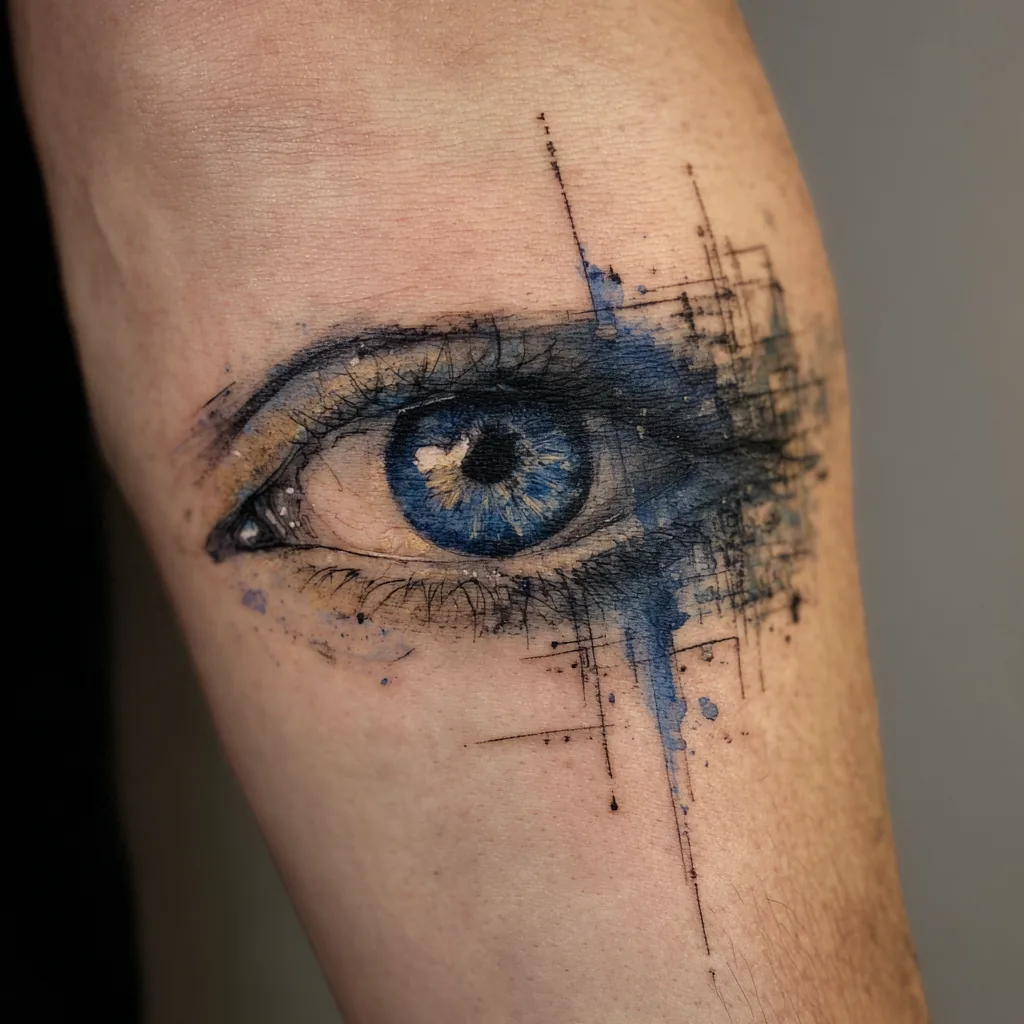
Eye tattoo, black and grey, shot in the chair.
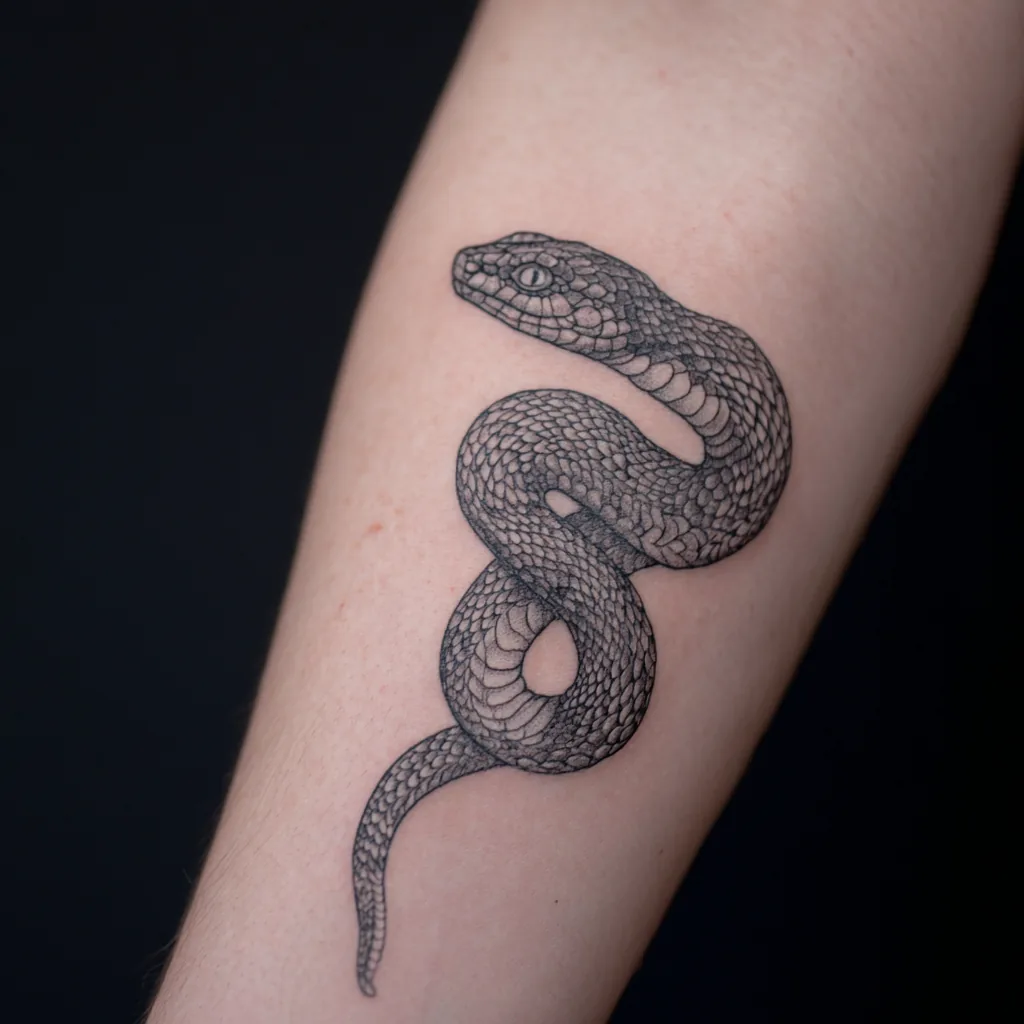
Coiled Snake on the Arm: Classic, timeless, and versatile. Wraps a forearm or bicep naturally.
Snake Wrapped Around the Tongue: A bold design that matches the piercing perfectly. Usually a wrist or hand piece, not an actual tongue tattoo.
Snake Eyes Tattooed on the Wrist: Subtle and stylish, with a nod to the piercing without the dental bill.
But remember, tattoos, unlike piercings, are forever. Don’t pair a permanent tattoo with a piercing that might not stick around. If the snake eyes come out in six months, the ink shouldn’t look like a memorial to a bad decision. Get the tattoo because you want the tattoo. I’ve written more on what snake tattoos actually mean and how to place them if you want to think it through properly.
A Story from the Chair
This one time, a client came in with fresh snake eyes and asked for a matching tattoo. They wanted a serpent wrapped around their forearm, ending with fangs biting into their wrist. Cool concept, right?
Midway through the session, they started complaining that their tongue was swelling up like a balloon. Turns out, they hadn’t followed aftercare instructions and the piercing was infected. We paused the session so they could deal with the mess. The tattoo healed fine. The piercing didn’t last the year. It was a reminder: if you’re going for snake eyes, you’d better know how to take care of them, and you’d better have a backup plan for when your body says no.
FAQ: Snake Eyes Piercing and Tattoos
Q: Are snake eyes piercings safe? A: They’re not recommended by most professional piercers due to the high risk of dental damage, rejection, and infection.
Q: How long do snake eyes piercings last? A: They can last years with proper care, but many people experience migration or rejection after a few months.
Q: How much does a snake eyes piercing cost? A: Typically $40 to $100, depending on the studio. But remember, cheap isn’t always safe.
Q: Can I get a snake tattoo to match? A: Absolutely. But make sure it’s something you’d love even without the piercing.
Q: What’s the healing time for snake eyes piercings? A: About 4 to 8 weeks with proper care.
Q: Is a venom piercing the same as snake eyes? A: Not quite. Venom piercings are two separate barbells side by side at the tongue tip. Snake eyes is one horizontal bar across it. Both carry similar risks.
Snake eyes piercings are a bold statement, no doubt about it. But with high risks and potential complications, they’re not for everyone, and the piercer who says no is usually doing you a favor. If you’re committed to the snake vibe, get the tattoo. It won’t chip a tooth, it won’t migrate out in six months, and it won’t leave you explaining a lisp. If you still want the piercing, go to someone who’ll tell you the truth first and pierce you second. Ask them about rejection, jewelry material, and whether they’ve actually done one before. The answer tells you everything.
I’m Jax. Tattoo artist, professional grump, and your ink therapist (except I don’t actually care about your problems—unless you’re tipping well). Been slinging ink for 15 years. Started out in some sketchy basement shop that smelled like burnt hair and regret. Now? I run Black Vein Tattoo—a little hole-in-the-wall studio where we do art. Not trends. Not Pinterest knockoffs. Real art.