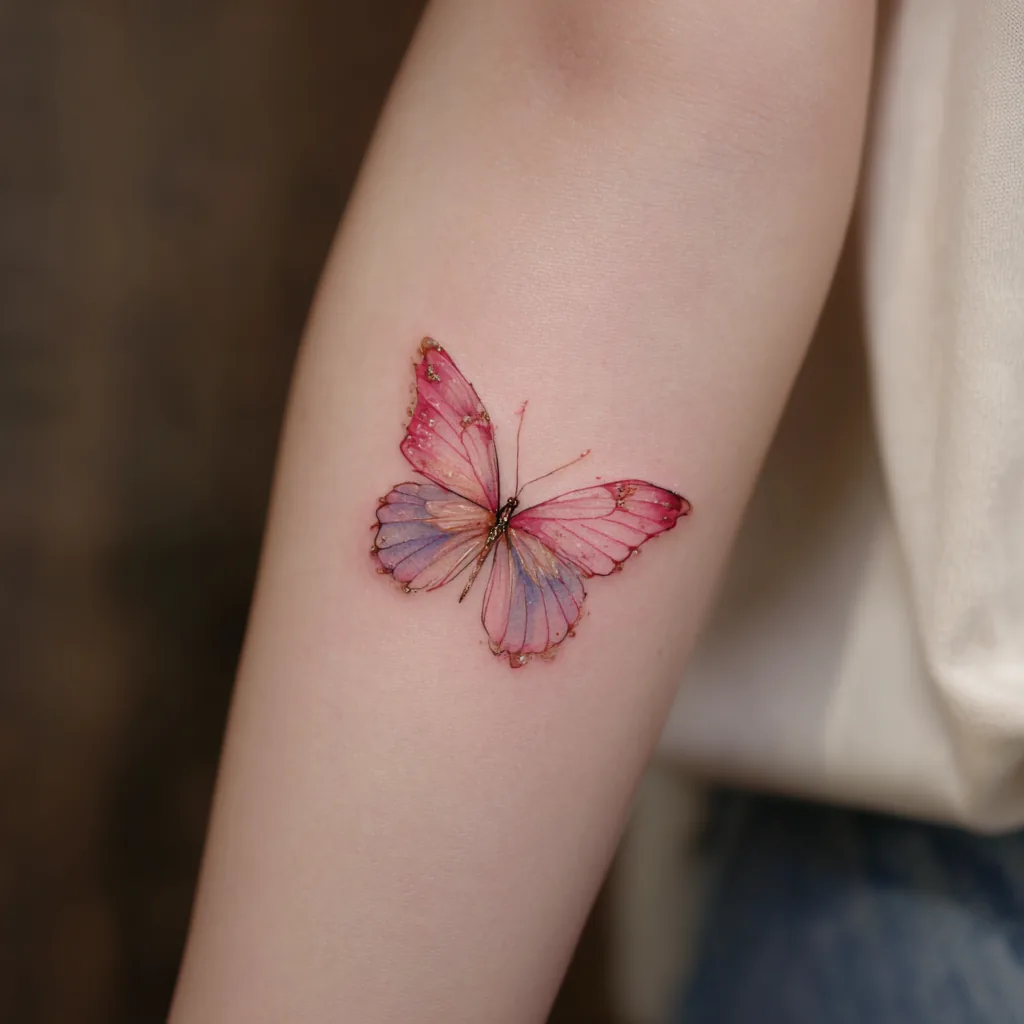
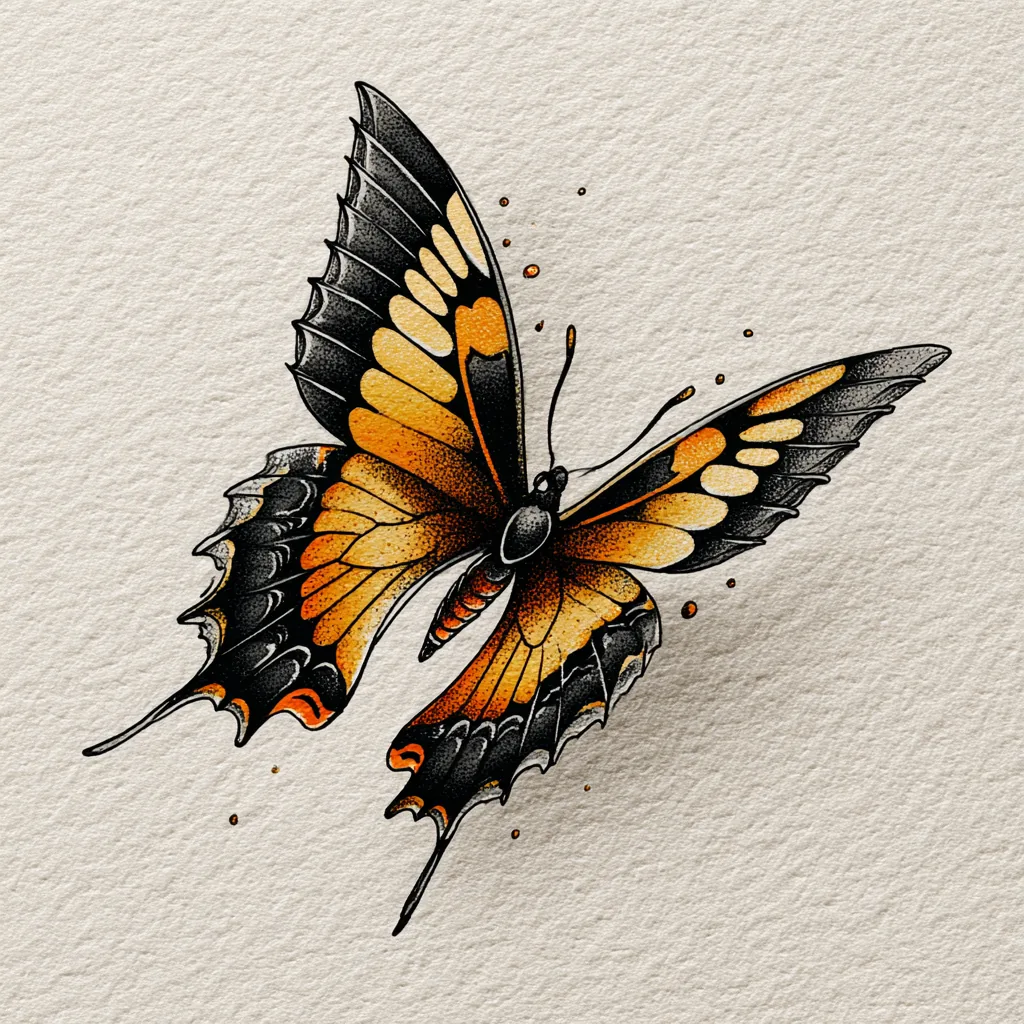
Butterfly tattoo, black and grey, shot in the chair.
Butterfly tattoos get a bad rap. Pretty, delicate, often filed under “safe” ink. Fine. But “safe” usually means the person asking hasn’t thought past the Pinterest board yet.
Here’s the thing I tell people at the counter: a butterfly is one of the few designs that works tiny on a wrist and huge across a back, in fine line, watercolor, blackwork, or full color, and still reads as the same idea. That range is why it’s popular. It’s also why half of them come out looking like clip art. The design isn’t the problem. The plan is.
What Does a Butterfly Tattoo Actually Symbolize?
Plenty. Butterflies carry symbolic weight across cultures, and which one you lean on matters more than the wings themselves:
- Transformation and growth. Caterpillar, cocoon, winged thing. Complete metamorphosis. It’s the go-to for a new chapter, a career change, getting sober, leaving something behind.
- Freedom. Flight, lightness, the ability to go where you want.
- Resilience. Fragile-looking, tough as hell underneath. The whole process is messy and the result is delicate. That contrast is the point.
- Love and beauty. In some cultures, butterflies are tied to romance and fleeting happiness.
- Spirituality and remembrance. Often read as messengers, a connection to someone who’s passed. In Mexico, monarchs arriving for Día de Muertos are traditionally linked to returning souls.
Worth saying plainly: there’s a traditional meaning and there’s your meaning. If a butterfly means your grandmother and nothing else, the cultural encyclopedia entry is background noise. Your artist needs your meaning, not the textbook one, because it changes the design.
Why Butterfly Tattoos Are More Hardcore Than You Think
- They mark change. A breakup, a career shift, a body that survived something. People don’t get butterflies for no reason.
- They’re timeless. Not trend-proof, but close. A well-drawn butterfly from 1995 still reads today. A tribal butterfly from 2003 usually doesn’t.
- They’re boldly feminine, or not feminine at all. Soft and delicate or blacked-out and severe. Your call, and the style decides.
- They’re versatile. Small and subtle or large and detailed, they work almost anywhere on the body. Which is also the trap. More on that below.
Popular Butterfly Tattoo Styles (and What Each One Costs You)
Style is where butterfly tattoos live or die. Same insect, wildly different results:
- Realistic butterfly. Detailed shading and fine texture so it looks like it could lift off. Needs size to work. Shrunk to a dime, the detail turns to mush.
- Watercolor butterfly. Splashes of color, soft edges, painterly. Gorgeous fresh. Ask your artist how it’ll look at year ten, because soft color edges blur first.
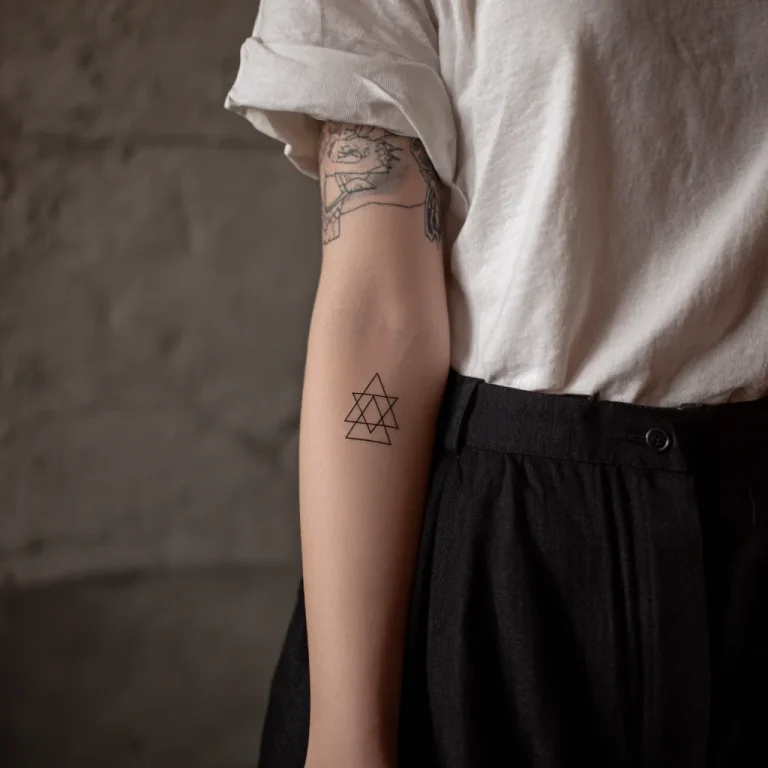
- Minimalist butterfly. Simple lines, clean silhouette. Reads at any size. The one style that genuinely survives being small.
- Butterfly with flowers. Roses, cherry blossoms, wildflowers. Romantic, and a good way to build toward a larger piece later. Pair it with something that means something on its own, like a cherry blossom.
- Geometric butterfly. Symmetry, straight lines, contemporary feel. The symmetry has to be near-perfect or the whole thing looks off, so this one rewards a steady hand and a decent budget.
- Butterfly in flight. Dynamic, angled, gives the illusion of movement. Placement matters more than the drawing here. A moth in motion on a flat forearm reads dead. On a shoulder or hip, it moves with you.
- Dark gothic butterfly. Skulls, black roses, heavy blackwork. The “hardcore” version people don’t expect from a butterfly.
Where Butterfly Tattoos Actually Work (and Where They Don’t)
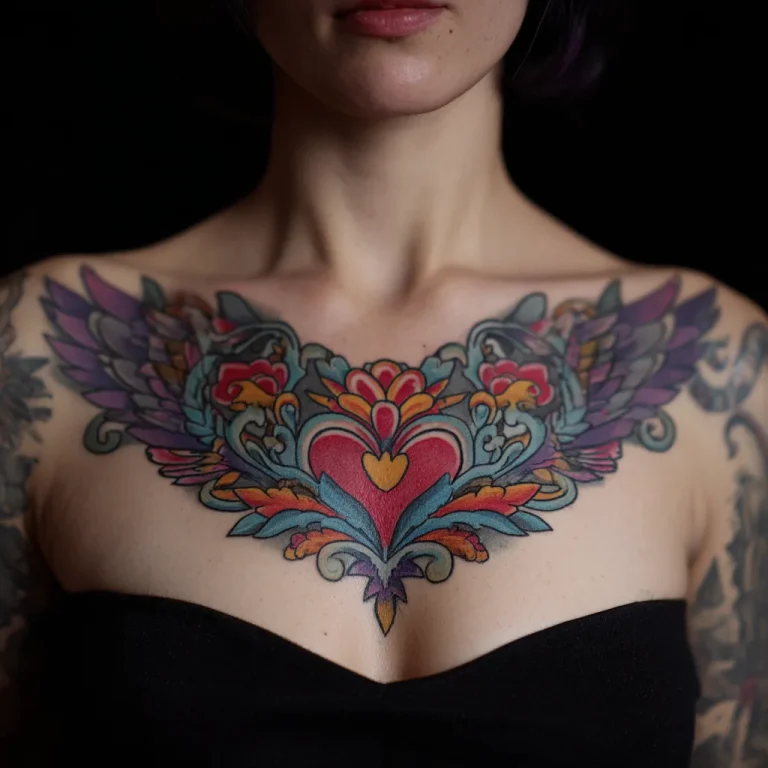
- Shoulder or collarbone. Great for small, elegant designs, and the curve flatters a wing.
- Back or thigh. Room for larger, detailed pieces. Best spot for realistic or watercolor.
- Wrist or ankle. Minimalist or subtle only. Fine detail here will blur and blow out.
- Behind the ear. Discreet, tiny, and it’s a thin-skin spot. Expect to feel it.
- Forearm. Good for a butterfly in flight, provided the design follows the arm instead of fighting it.
Two things nobody warns you about. First, wings are symmetrical and bodies aren’t. Placed on a curved surface, a perfectly symmetrical butterfly can look lopsided, so a good artist will adjust the drawing to the body, not the other way around. Second, hands, feet, and inner fingers are where butterfly tattoos go to fade. Small wings plus high-friction skin equals a gray smudge in a couple of years.
Butterfly Tattoo FAQ
Are butterfly tattoos just for women?A: No. Men get them too, often with geometric, blackwork, or dark elements. The insect isn’t gendered. The style is a choice. How much does a butterfly tattoo cost?
A: A small minimalist one might start around $100, and larger detailed work runs $500 and up, sometimes well up. That’s a rough range, not a rate card. Shop minimums, artist hourly rates, and size drive the real number. For a fuller breakdown of what’s fair, see how much a tattoo actually costs. Can I personalize my butterfly tattoo?
A: Yes, and you should. Colors, wing patterns, a specific species, a date hidden in the pattern, a name in the negative space. A monarch isn’t a generic butterfly. If a species means something to you, say so. Do butterfly tattoos fade quickly?
A: They fade like any tattoo. Sun is the enemy, so sunscreen on healed ink is non-negotiable. Fine line and watercolor styles show fading sooner than bold traditional work. If longevity is your priority, ask for heavier line weight. What should I ask my artist before booking?
A: Three questions. What line weight will hold up at this size? How will you adjust the symmetry to my body? And can I see a healed photo of a similar piece? If they can’t answer the third, walk.
Supporting Resources
- Tattoo Aftercare Tips: Healthline
- Geometric and Minimalist Tattoo Ideas: Inked Magazine
Final Thoughts
Butterfly tattoos are proof that beauty and strength go hand in hand. Soft and pretty or bold and badass, they can carry your journey, your freedom, or your transformation. The design isn’t what makes them safe or boring. The lack of a plan does. Bring your meaning, your size, and your placement to the consult, and the butterfly does the rest.
Related Posts:
About the Author