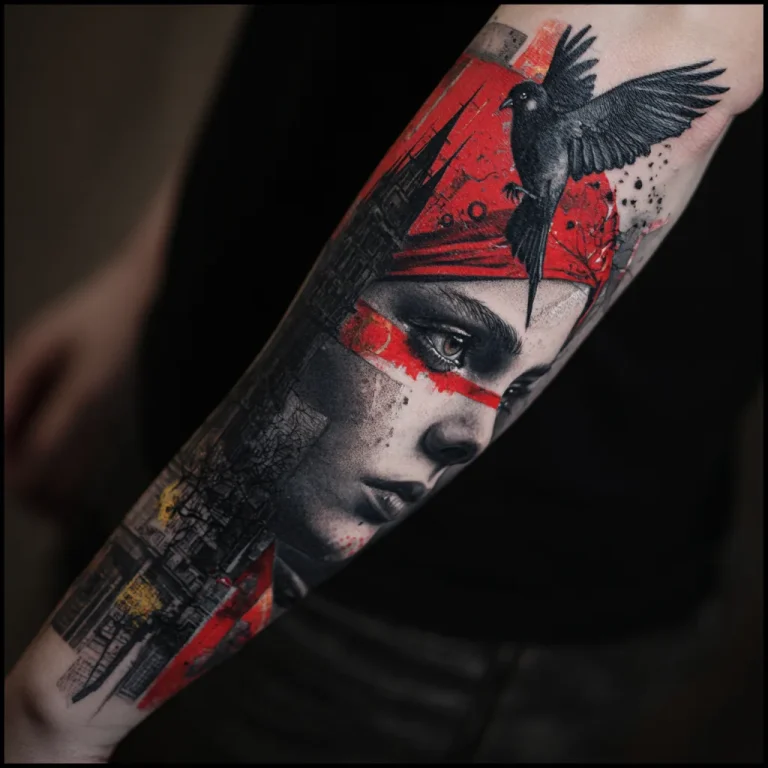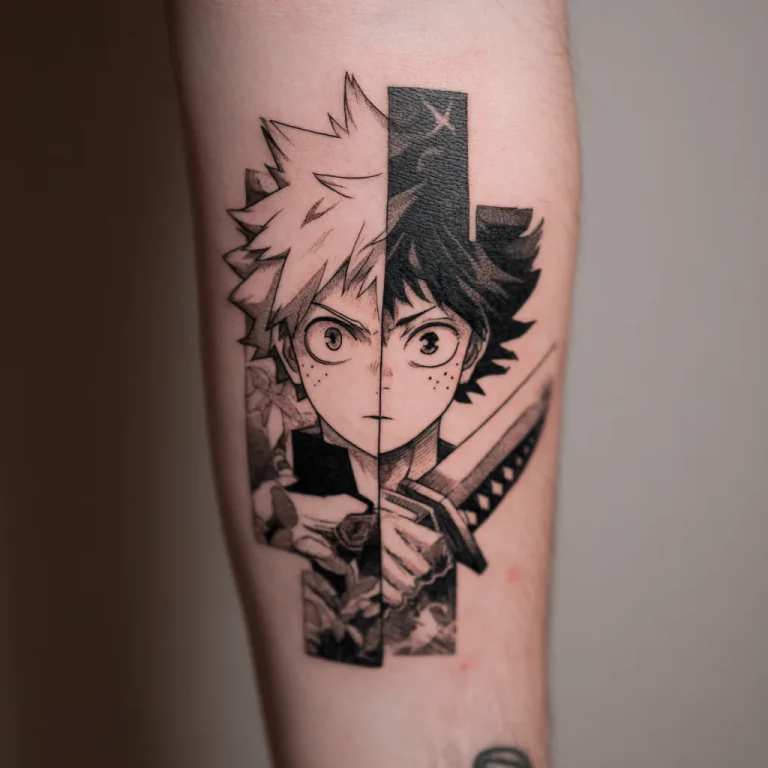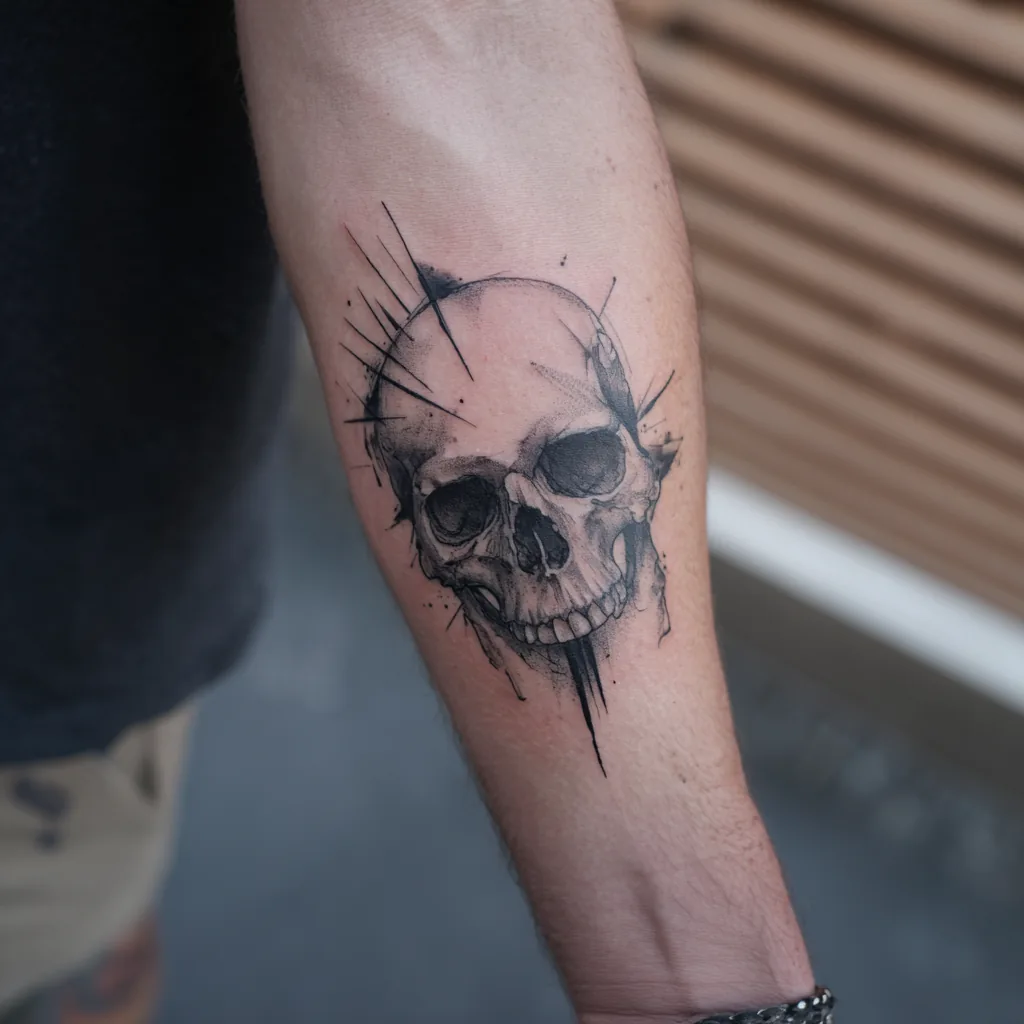
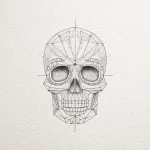
Skull tattoo, black and grey, shot in the chair.
Skull tattoos are iconic. Whether they’re realistic, stylized, or paired with other elements, they’re the ultimate symbol of mortality, strength, and rebellion. A skull tattoo isn’t just about looking badass—it’s about confronting life’s fragility and making a bold statement about who you are.
But here’s the thing nobody tells you before you sit in the chair: a skull can mean almost anything. That’s the beauty and the trap. I’ve tattooed skulls on bikers, nurses, grandmothers, and one guy who just really liked pirates. The design is old as dirt, which means it’s been loaded with so many meanings that it’s basically a Rorschach test with teeth. So before you commit, let’s talk about what a skull actually says, which styles hold up, and where to put one so it doesn’t look like a sticker you’ll regret.
What Does a Skull Tattoo Symbolize?
Skulls have been part of art, literature, and culture for centuries, representing a wide range of meanings depending on the context. Here’s what they often symbolize:
- Mortality: A reminder of the inevitability of death and the importance of living fully.
- Rebirth and Transformation: In many cultures, skulls represent the cycle of life, death, and rebirth.
- Strength and Power: Skulls are often associated with resilience and fearlessness.
- Rebellion: From pirates to punks, skulls have long been a symbol of defiance and nonconformity.
- Protection: Some believe skull tattoos ward off evil spirits or bad luck.
Here’s the part that surprises people: the skull as a symbol of death is actually pretty recent in the grand scheme. In medieval Europe, skulls were often painted on the walls of churches and tombs as memento mori—Latin for “remember you must die.” It wasn’t about being edgy. It was a reminder to stop wasting your life on petty nonsense. That’s a lot more useful than a flaming skull on a T-shirt, if you ask me.
And if you want the full breakdown of what a skull tattoo says about you—including the difference between a traditional meaning and your own—I’ve written about that separately. Skull Tattoos: What They Mean and Where They Actually Work goes deeper on that.
Why Are Skull Tattoos So Popular?
- Timeless Appeal: Skulls have been a staple of tattoo culture for decades and never go out of style.
- Versatility: They can be as simple or as complex as you want, fitting any aesthetic or placement.
- Bold Statement: A skull tattoo is unapologetically eye-catching and full of attitude.
- Customizability: Skulls pair well with other symbols like roses, daggers, or clocks, allowing for endless creativity.
But popularity is a double-edged sword. Because skulls are everywhere, they’re also one of the most copied designs on the planet. I’ve had people bring in a photo from Pinterest and say “just like this.” I get it—it looks cool. But a copied skull is like a copied signature. It might look fine, but it’s not yours. The best skull tattoos I’ve done were the ones where we changed something: the angle of the jaw, the flowers growing through the cracks, the way the light hits the cheekbone. That’s what makes it a tattoo instead of a temporary sticker.
A Story from the Chair
A few years ago, a guy came in for a skull tattoo on his upper arm. He’d been through a rough patch—losing his job, struggling with health issues—and wanted something to remind him of his resilience.
We designed a cracked skull with roses growing through the fractures, symbolizing beauty emerging from pain. The shading was intense, with deep blacks and soft grays creating a moody, dramatic effect.
When it was done, he looked at it and said, “This isn’t just a tattoo. It’s a reminder that I’ve survived.”
That’s the thing about skull tattoos—they’re more than just designs. They’re personal declarations of strength and transformation.
Popular Skull Tattoo Styles
Not all skulls are created equal. The style you pick changes everything about how the tattoo reads, how it ages, and how much it costs. Here’s the breakdown.
- Realistic Skull: Hyper-detailed shading and texture for a lifelike appearance. This is the most demanding style—it requires a skilled hand and a big canvas. Small realistic skulls turn into gray mush within a few years because there’s no room for the detail to breathe.
- Sugar Skull: Vibrant and decorative, inspired by Día de los Muertos traditions. Be respectful with this one. It’s not just a pretty design; it has cultural roots. If you’re not part of that tradition, talk to your artist about how to honor it without appropriating it.
- Skull and Roses: A classic combination symbolizing the balance between life and death. This is the workhorse of skull tattoos. It works at almost any size and placement, and it ages well because the roses give the eye something to follow.
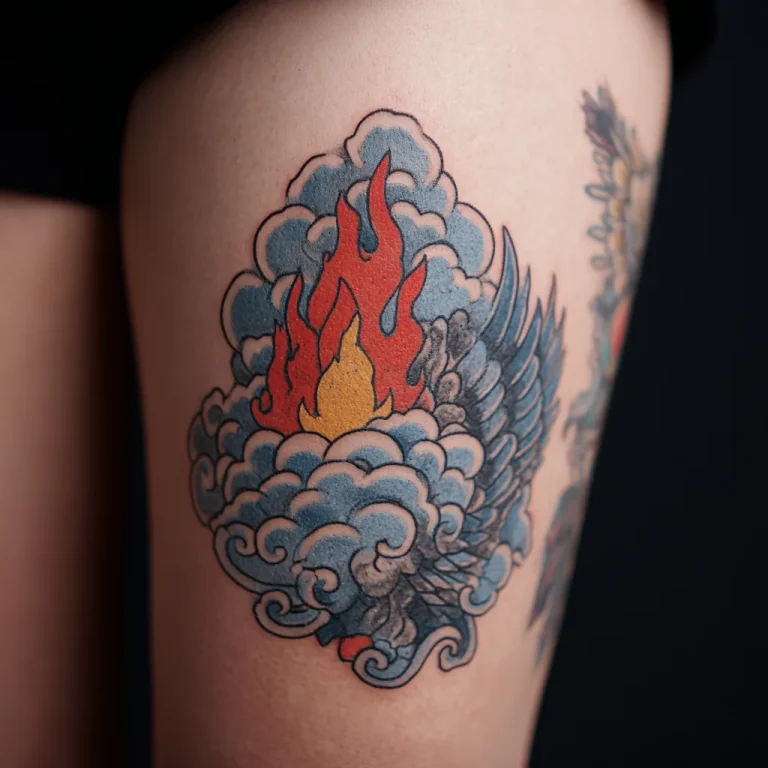
- Skull with Flames: Add fire for a dramatic, edgy vibe. This is the one that can go wrong fastest. Too much flame and it looks like a heavy metal album cover from 1987. Keep it simple and let the skull do the talking.
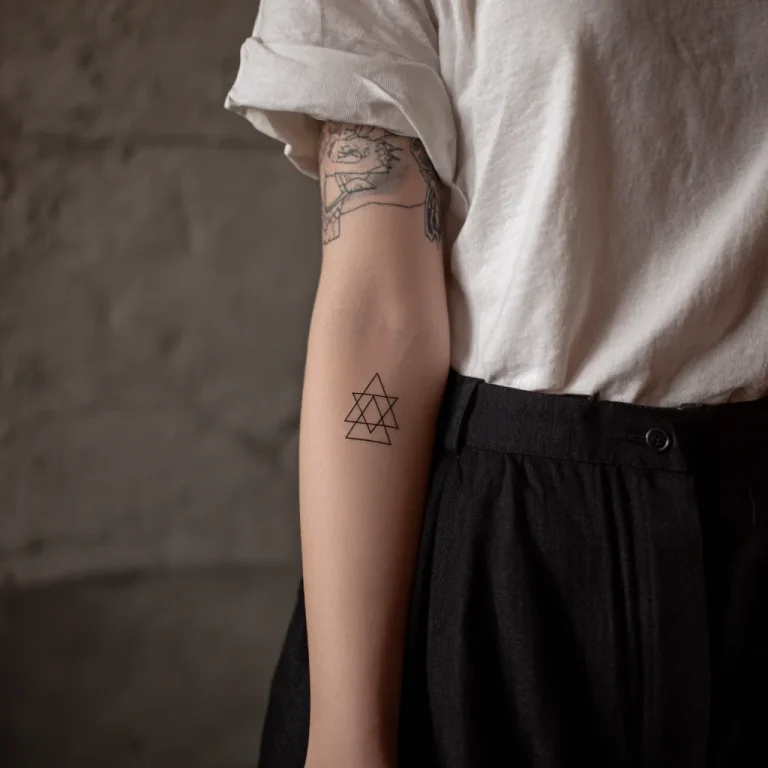
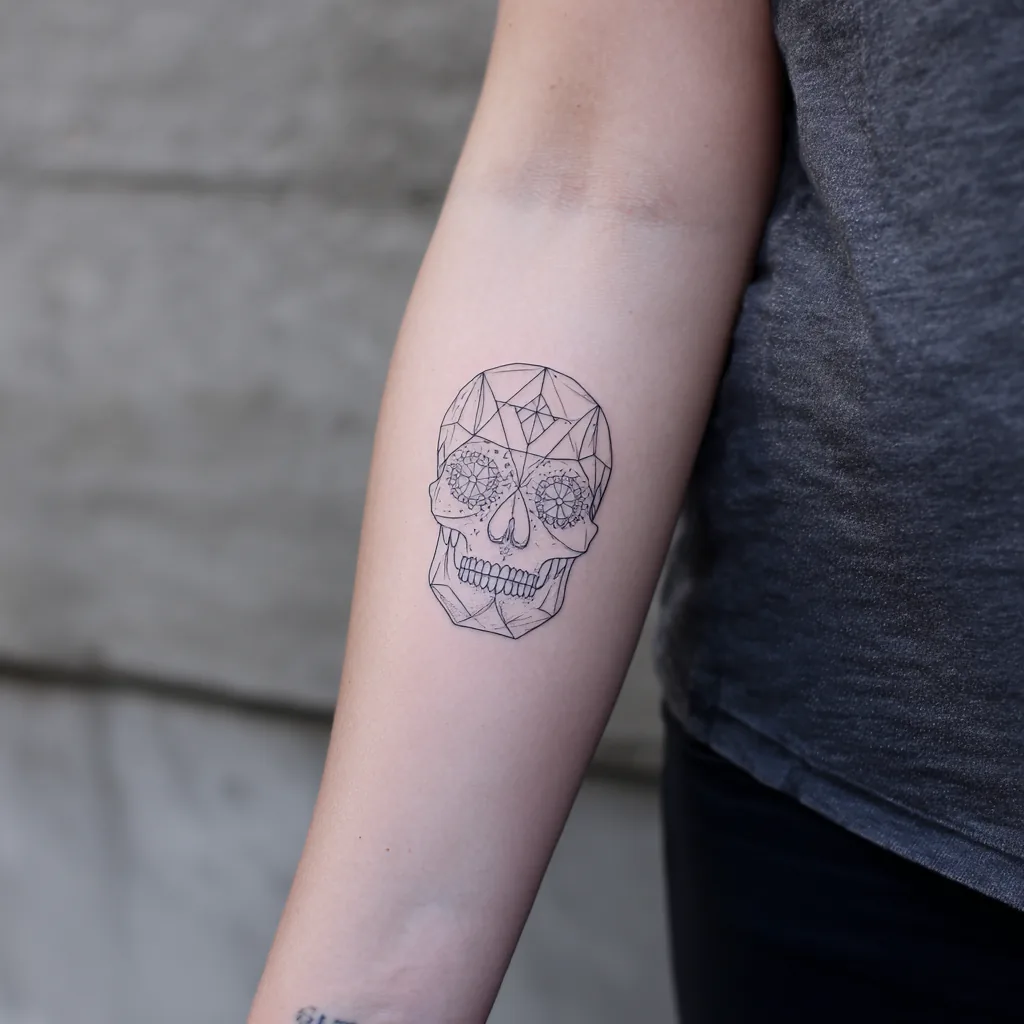
- Geometric Skull: Combine skulls with abstract shapes for a modern twist. This style is unforgiving. If the lines aren’t perfect, the whole thing looks off. Ask to see your artist’s geometric work specifically—not just their skulls.
- Skull and Clock: A reminder of mortality and the passage of time. This is the classic memento mori combo. It works best when the clock and skull are integrated, not just slapped next to each other.
- Minimalist Skull: Simple lines and shapes for a sleek, understated design. This is the one I see people regret most often, not because it’s bad, but because they pick it as a first tattoo and then wish they’d gone bigger. A tiny skull on a finger or wrist can look great, but it will fade and blur faster than you think. If you want minimal, be ready for touch-ups.
If you’re thinking about a small skull, read Small Tattoos With Big Meaning before you book. It’ll save you a cover-up later.
Placement Ideas for Skull Tattoos
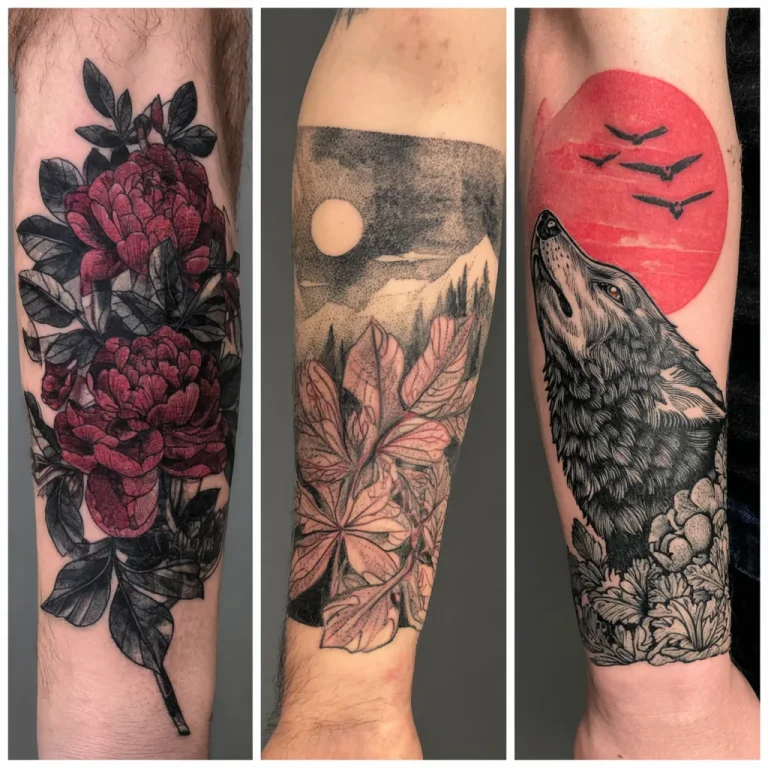
- Forearm: Perfect for medium-sized, detailed designs. It’s visible, it’s a good canvas, and it heals well. Just know that a forearm skull is a conversation starter whether you want it or not.
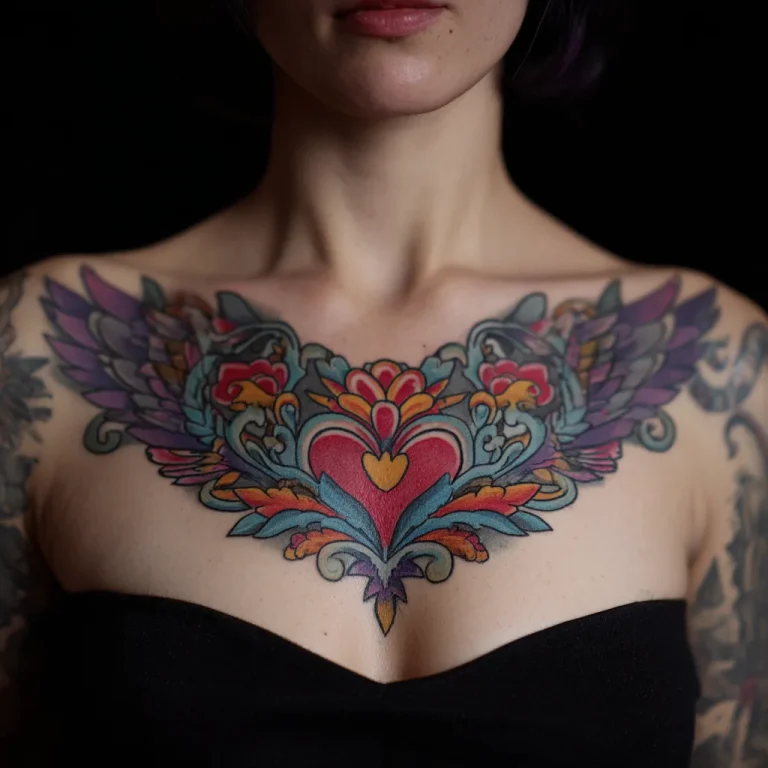
- Chest: Great for bold, dramatic pieces. This is where a skull can really breathe. The chest gives you room for a full jaw, eye sockets, and detail. It hurts, but it’s worth it.
- Back: Ideal for large, intricate designs. If you want a realistic skull with all the texture and shading, the back is the best canvas you’ve got. It’s also the easiest to hide if you need to.
- Thigh or Calf: Plenty of space for detailed work. The thigh is underrated. It’s a big, flat canvas that doesn’t get as much sun as your arms, so it holds detail longer.
- Hand or Fingers: Popular for minimalist or small skull tattoos. But here’s the hard truth: hand and finger tattoos fade fast. They blur, they drop out, and they need touch-ups. If you’re okay with that, fine. If you’re not, pick somewhere else.
One more placement note: a skull on the neck or face is a commitment that goes beyond the tattoo. It changes how people see you in job interviews, at your kid’s school, and at family dinners. I’m not saying don’t do it. I’m saying think about it for more than a week.
FAQ: Skull Tattoos
Q: Are skull tattoos only for people with a “dark” personality?
A: Not at all. While skulls are often associated with edgier aesthetics, they can symbolize anything from strength to transformation. I’ve tattooed skulls on kindergarten teachers and retired cops. The design doesn’t decide who you are. You do.
Q: How much does a skull tattoo cost?
A: A small, simple design might start at $150, while larger, highly detailed pieces can cost $1,000 or more. But price depends on the artist, the city, and the complexity. For a real breakdown of what you’ll actually pay, read How Much Does a Tattoo Cost? before you start comparing quotes.
Q: Can I combine a skull tattoo with other symbols?
A: Absolutely. Popular additions include roses, daggers, clocks, or flames. But don’t just pile symbols on top of each other. A good artist will help you integrate them so the whole piece reads as one design, not a collage.
Q: Are skull tattoos culturally specific?
A: While some styles, like sugar skulls, have specific cultural ties, skulls in general are universal symbols. That means you have freedom, but also responsibility. If you’re borrowing from a specific tradition, know what it means and be respectful about it.
Q: Will a skull tattoo age well?
A: It depends on the style and placement. Bold lines and high contrast age better than fine detail. Realistic skulls need space to hold their shading. Minimalist skulls on hands and fingers will blur. Ask your artist to show you healed photos of their work, not just fresh tattoos.
Supporting Resources
- Symbolism in Skull Tattoos: Inked Magazine
- Tattoo Placement and Design Tips: Tattoo Journal
Note: The Tattoo Dojo link has been removed because the site is no longer live. If you want more skull inspiration, Inked Magazine and Tattoo Journal are still solid starting points.
Final Thoughts
Skull tattoos are bold, versatile, and packed with meaning. Whether you want something realistic, artistic, or edgy, a skull tattoo is a timeless choice that makes a strong statement.
But before you book, do one thing for me: decide what your skull actually means to you. Not what it means on Pinterest. Not what it meant to the guy who designed it in 1993. What does it mean to you? Because that’s the difference between a tattoo you’ll love for twenty years and one you’ll be covering up in five. And if you’re not sure yet, that’s fine. A good artist will help you figure it out. That’s what the consultation is for.
Related Posts:


About the Author