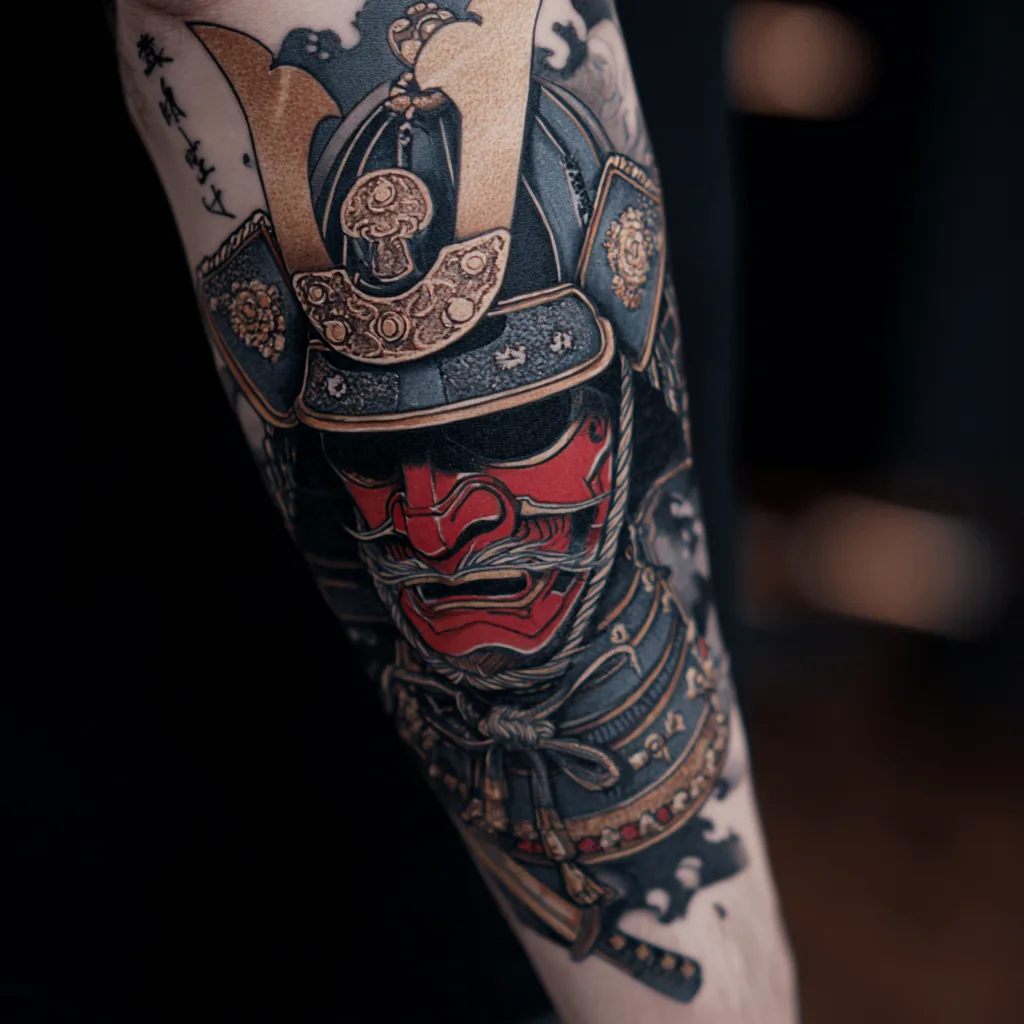
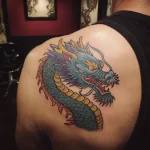
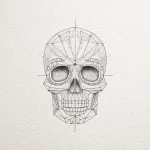
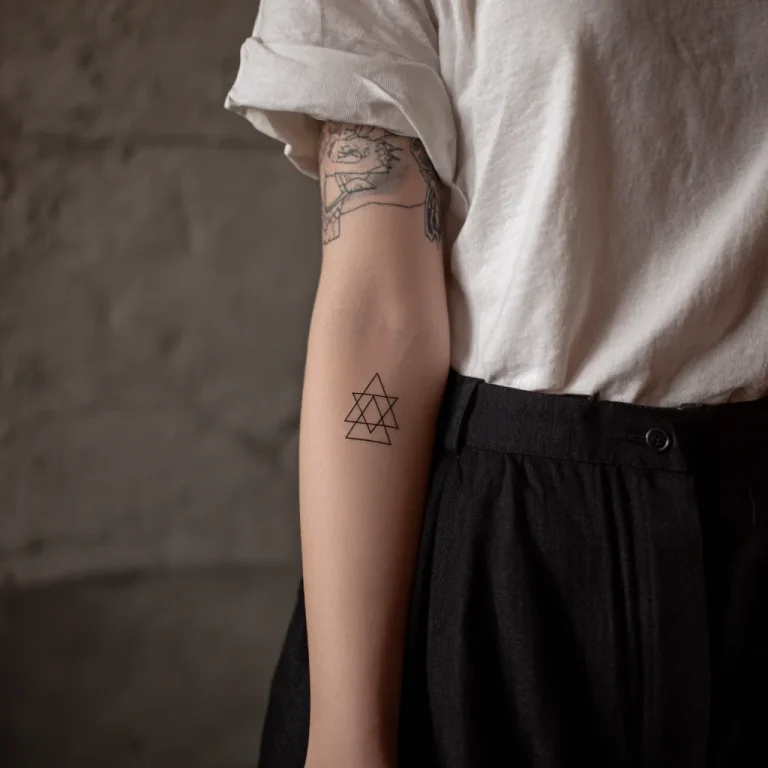
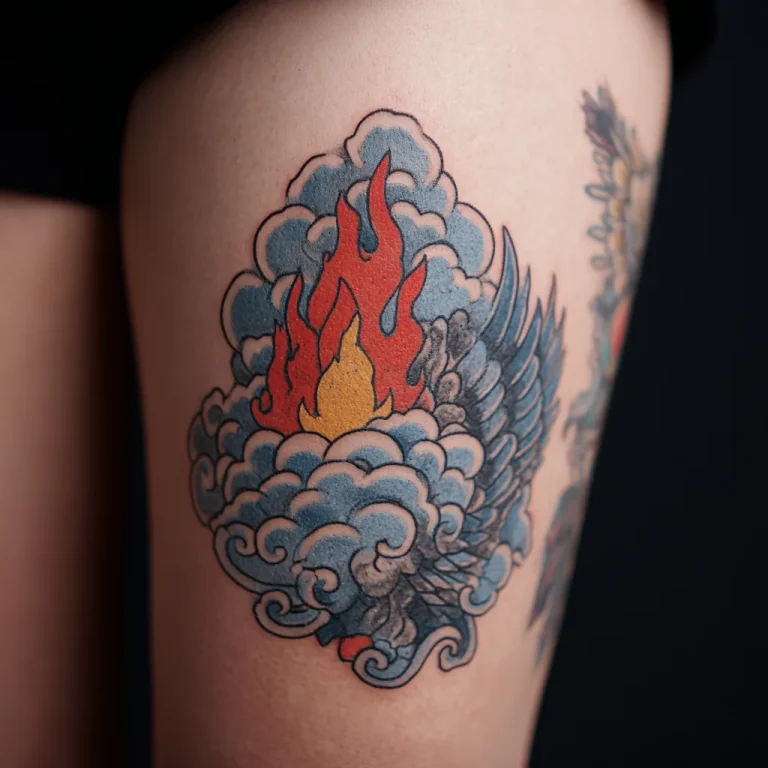
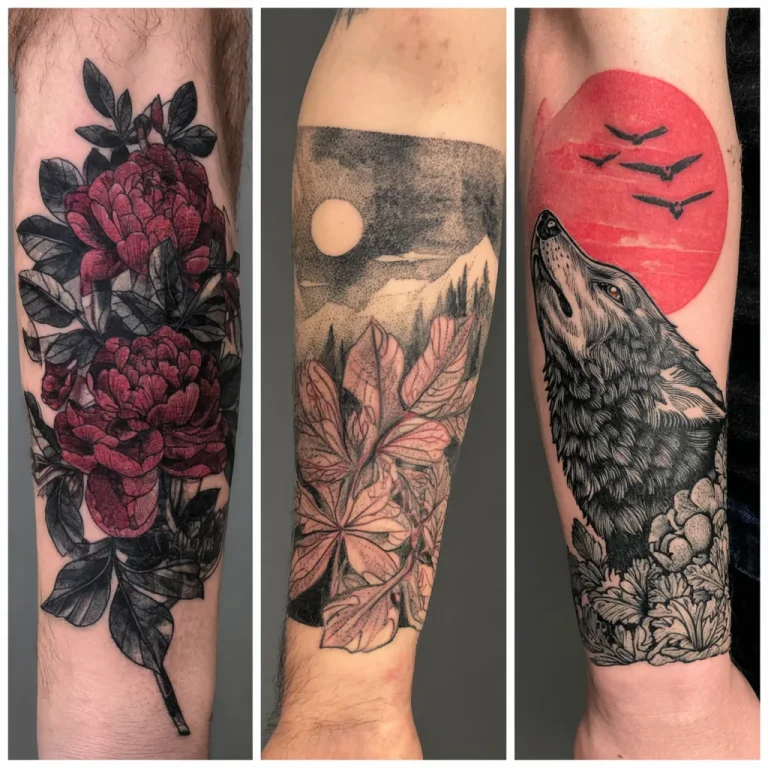
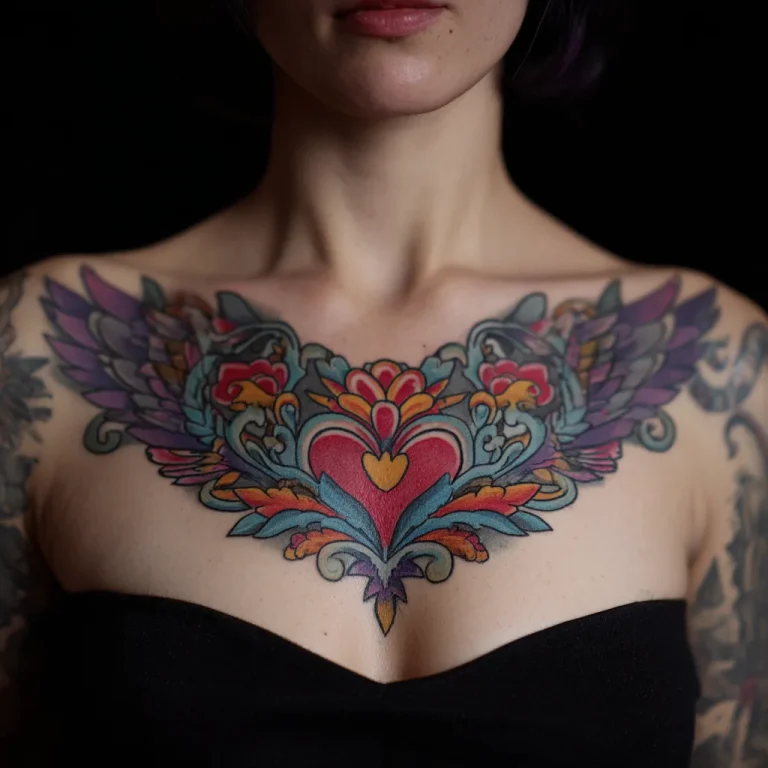
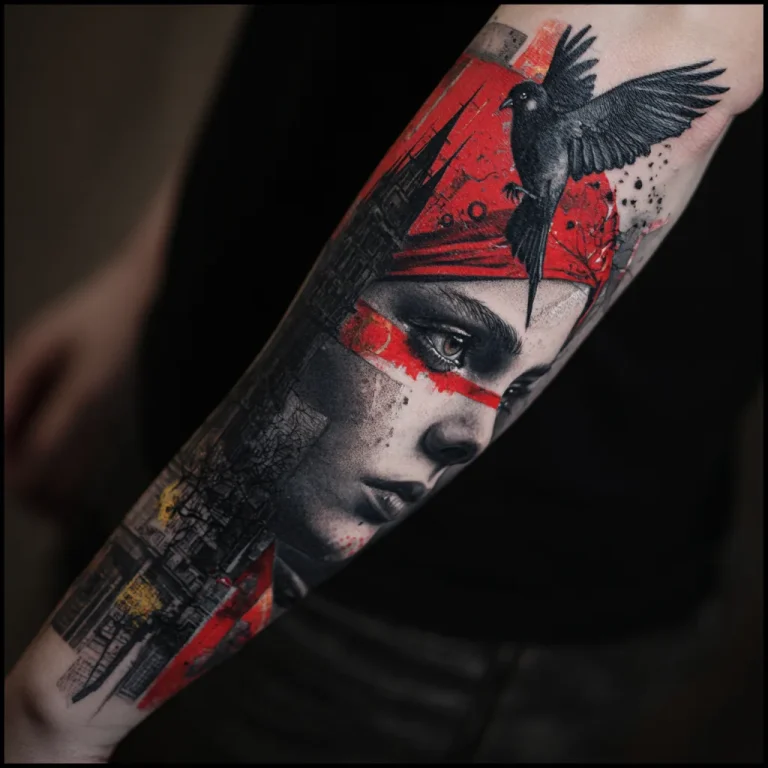
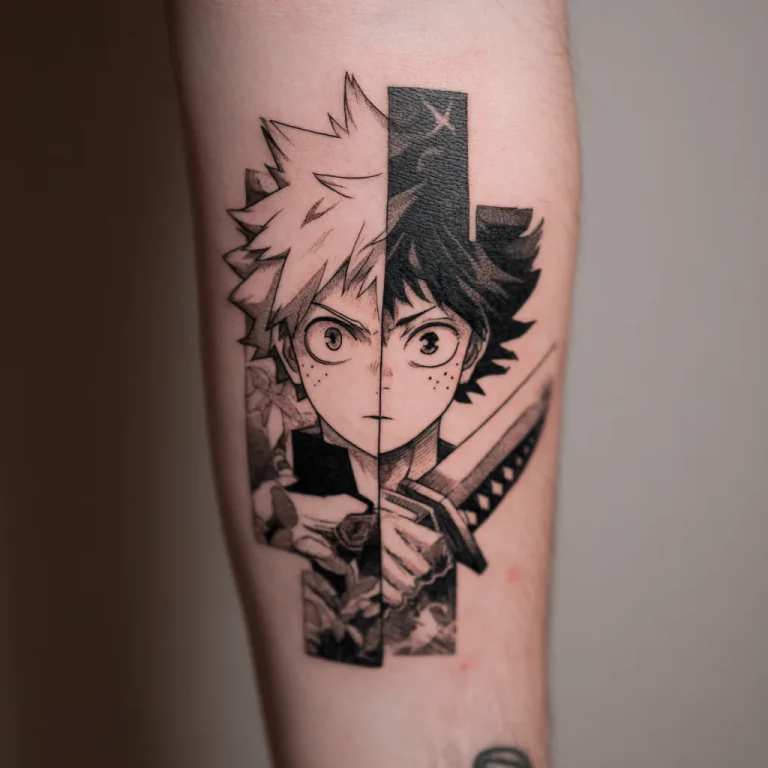
Japanese tattoo, black and grey, shot in the chair.
Nobody walks into a Japanese tattoo by accident. You saw a koi sleeve, a hannya mask, a dragon wrapping somebody’s arm, and it stuck. Good. Now here’s the part the pretty photos skip: irezumi is a system. The motifs have rules, the compositions have rules, and the artist you pick matters more than the reference you saved. This isn’t a style you dabble in. It’s one you commit to.
So let’s talk about what you’re actually getting into: the symbolism, the flow, the placement, the money, and the pain. Especially the money and the pain.
What Is a Japanese Tattoo, Exactly?
Japanese tattoos, or irezumi, go back to the Edo period. Tattoos started as punishment and ended up as fine art, which is a hell of a career change. The word most people want is horimono, the carving-style body suit, and the artist who does it is a horishi. Small distinction, but if you walk into a shop and call a full back piece a “Japanese tattoo” while pointing at a Pinterest screenshot, the artist will know exactly what they’re dealing with.
What makes the style recognizable isn’t just the subject matter. It’s the composition: bold outlines, a limited but punchy palette, background elements like wind bars and clouds and waves that tie the whole thing together, and a design built to move with your body instead of sitting on it like a sticker.
What Do Japanese Tattoo Motifs Actually Mean?
Every element carries traditional weight. That doesn’t mean you have to buy into all of it. It means you should know what you’re borrowing before you wear it. Here’s the short list:
Dragons: strength, wisdom, protection. Usually paired with wind or clouds, because a dragon without weather looks weird.
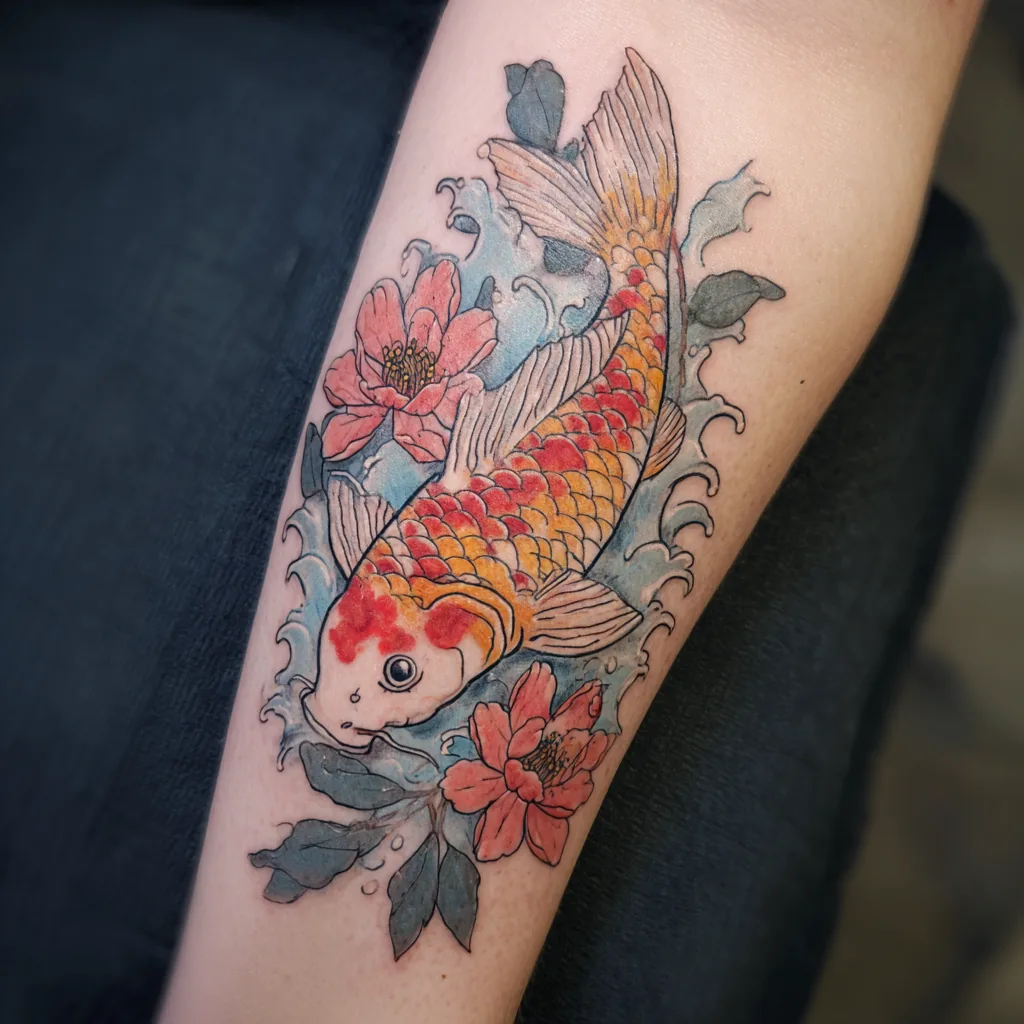
Koi fish: perseverance. The upstream-swimming koi is the classic; the one swimming downstream means something else entirely, so get the direction right.
Cherry blossoms: the fleeting nature of life. Pretty, and a little morbid. That’s the point.
Tigers: power and courage, often mid-pounce, often paired with bamboo.
Hannya masks: jealousy, rage, and complicated emotion wrapped in something beautiful.
Peonies: wealth and prosperity. Also the floral backbone of a lot of sleeves.
Samurai and geisha: cultural icons, and the ones where a good artist will push back hardest on your reference. There’s a whole etiquette to depicting historical figures.
Here’s the honest split. Traditional meaning is the cultural layer. Personal meaning is yours to add. A koi can mean perseverance to the tradition and a sobriety anniversary to you. Both are real. Just don’t invent a meaning and then tell people it’s “the Japanese meaning,” because somebody will call you on it.
How Does a Japanese Tattoo Flow on the Body?
This is where a lot of people get burned. Japanese design is built around the body’s curves, not flat on a page. A sleeve isn’t a stack of separate images. It’s one composition that wraps, with background filling the gaps so the foreground elements read clearly from every angle.
That means the design has to be drawn on you, or at least drawn for your specific body. Copying a full sleeve off the internet and asking an artist to “make it fit” is how you get a dragon whose head lands in your armpit and a cherry blossom branch that disappears at the elbow. The line weight has to stay bold enough to hold up over decades, the shading has to be readable at a distance, and the negative space is doing as much work as the ink.
If you want a smaller piece, fine, but understand you’re getting a fragment. A single koi on a forearm can be gorgeous. It just isn’t the same animal as a full body suit, and a good horishi will tell you that rather than pretend otherwise.
Where Should a Japanese Tattoo Go?
The short answer: wherever the composition can breathe. The longer answer:
Back: the classic canvas. A full back piece is the most traditional placement there is, and the one that gives a design room to actually be a design.
Sleeve or half-sleeve: dragons, koi, florals. Great for wrapping and great for showing off, but it commits you to a large area.
Chest: symmetrical pieces and masks read well here. Also a notoriously spicy spot to sit through.
Thigh or calf: good for medium pieces with detail, and easier to cover if your day job has opinions.
Ribs: looks incredible, hurts like a bad decision. Know what you’re signing up for.
How Much Does a Japanese Tattoo Cost, and How Long Does It Take?
This is the question everyone’s afraid to ask, so here it is straight. A full sleeve or back piece is a multi-session, multi-month project. Depending on the artist, the complexity, and your pain tolerance, you’re looking at anywhere from several sessions to a year or more of appointments. Cost is contextual, not a fixed rate card, but good irezumi artists charge accordingly because the background work alone is hours of labor most people don’t see coming.
If the quote feels high, that’s usually a sign you found the right artist. If it feels suspiciously cheap for a full back piece, run. For a fuller breakdown of what ink actually costs by size and shop, see how much a tattoo really costs.
One more thing: traditional irezumi was done by hand-poking, tebori, which is slower and often described as a different kind of pain than a machine. Not every artist offers it. It’s worth knowing the difference before you assume your artist does.
Koi fish tattoo, black and grey, shot in the chair.
Why Does Japanese Tattooing Have Cultural Baggage?
Worth a mention, because it changes how you should approach the work. In Japan, tattoos have long carried association with organized crime, and many public baths and pools still ban visibly tattooed people. That’s part of why serious irezumi artists outside Japan tend to be careful about cultural respect: they’re borrowing a tradition with real history and real stigma attached. Doing your homework isn’t about gatekeeping. It’s about not being the tourist who treats somebody’s culture like a mood board.
What Should You Ask Your Artist Before You Book?
Ask whether they actually work in Japanese style, not just whether they can draw a dragon. Ask how they handle background and composition, because that’s what separates irezumi from a random animal on your arm. Ask about session length, healing time between appointments, and how many sessions they expect. Ask to see healed work, not just fresh photos, because line weight and color hold differently after a year.
And ask yourself whether you’re ready for a project, not a purchase. If you want one small symbol, that’s a different job and there’s nothing wrong with it. If you want the real thing, dragon tattoos and cherry blossom pieces are where most people start, and both will tell you fast whether you’ve got the patience for a larger composition.
Jax’s Take
Japanese tattoos reward people who respect the craft. They are not a whim purchase. They’re an investment in art, tradition, and your own patience. Find an artist who knows the style, respects the culture, and can actually draw a composition on your body instead of tracing someone else’s. Then sit still for a long time.
These pieces aren’t easy. They’re worth every session.
Japanese tattoo, black and grey, shot in the chair.
I’m Jax. Tattoo artist, professional grump, and your ink therapist (except I don’t actually care about your problems—unless you’re tipping well). Been slinging ink for 15 years. Started out in some sketchy basement shop that smelled like burnt hair and regret. Now? I run Black Vein Tattoo—a little hole-in-the-wall studio where we do art. Not trends. Not Pinterest knockoffs. Real art.