Tattoos have been around longer than most of us realize. They weren’t born in trendy studios or on celebrity Instagrams—they’ve been etched into human skin for thousands of years, carrying stories of culture, power, and identity. From ancient warriors to TikTok influencers, tattoos have evolved, but they’ve always been about one thing: expression.
Where It All Began
The earliest evidence of tattoos dates back over 5,000 years to Ötzi the Iceman, a mummy found in the Alps with lines and dots inked into his skin. These weren’t decorative—they were likely therapeutic, marking acupuncture points to ease pain.
Fast forward a few thousand years, and tattoos became part of cultural identity across the globe:
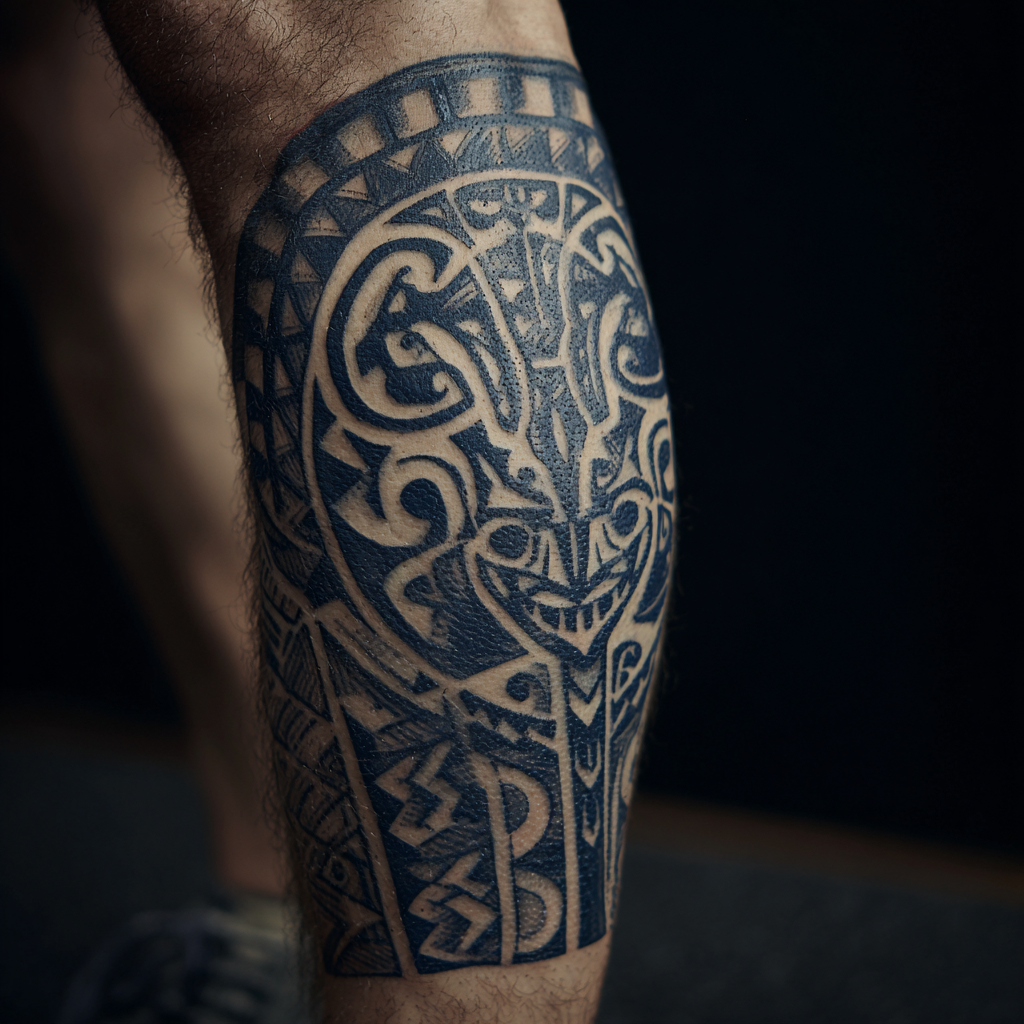
Polynesia: Tattoos, or tatau, were rites of passage, symbols of rank, and connections to ancestors.
Egypt: Tattoos adorned women, often as protection during pregnancy or childbirth.
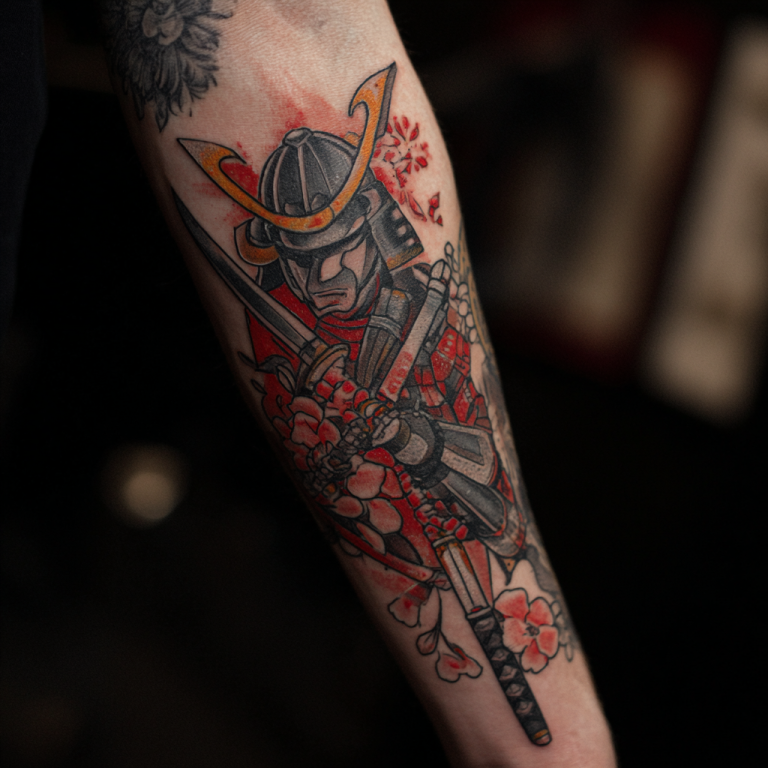
Japan: Irezumi began as a form of punishment but evolved into intricate art, especially among the Yakuza.
Native America: Tattoos were spiritual, used to honor the gods or signify bravery in battle.
Tattoos weren’t just marks—they were life stories carved into the skin.
Tattoo History Timeline at a Glance
When or where
Who wore it
What the ink did
Over 5,000 years ago
Ötzi the Iceman, found in the Alps
Lines and dots, likely therapeutic, marking acupuncture points to ease pain
Polynesia
Tatau across Polynesian cultures
Rites of passage, symbols of rank, connections to ancestors
Egypt
Women
Protection during pregnancy or childbirth
Japan
Irezumi
Began as punishment, evolved into intricate art, especially among the Yakuza
Native America
Spiritual tattoos
Honoring the gods or signifying bravery in battle
18th and 19th centuries
Sailors and adventurers
Marked their travels and experiences
20th century
Counterculture, then the mainstream
Moved from the fringe to pop culture
Today
Influencers and everyday people
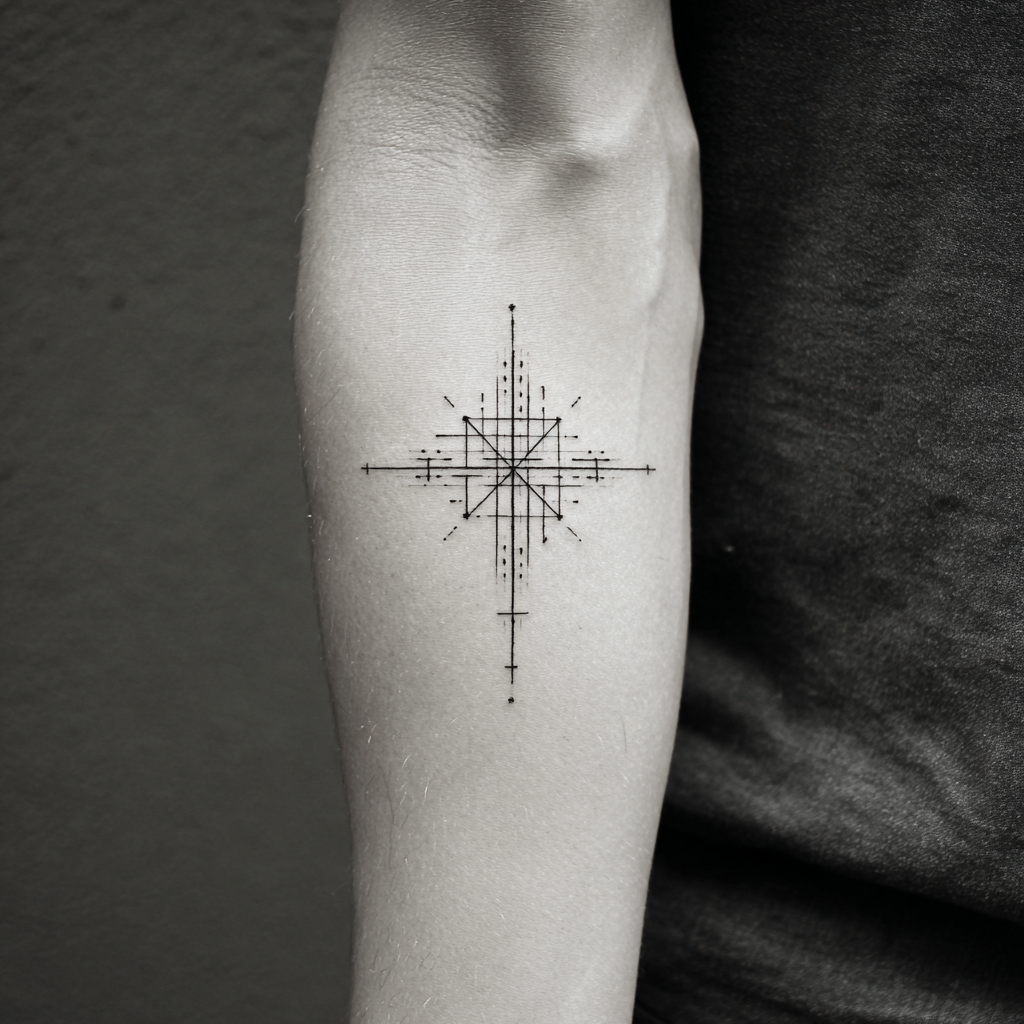
Minimalist and fine-line designs, with traditional styles making a comeback
This guy came in wanting a traditional Polynesian tattoo. He wasn’t from the islands, but he’d spent years studying Polynesian culture and history. He said, “I want this to honor the tradition, not steal it.”
We worked together to design something inspired by Polynesian patterns but unique to his story. The session was long—hours of blackwork and precise linework—but when it was done, he said, “It feels like it belongs.”
That’s what tattoos are about—connection and respect, no matter where they come from.
If his question about honoring a tradition is yours too, our tribal tattoos post covers roots, revival and authenticity.
Tattoos Through Time
Warriors and Rank: In ancient cultures, tattoos often marked warriors, symbolizing bravery, rank, or kills.
Religion and Rituals: Tattoos connected people to their gods, ancestors, or spiritual beliefs.
Punishment: In some places, tattoos were used to brand criminals or slaves—proof that not all ink tells a happy story.
Sailors and Adventurers: In the 18th and 19th centuries, tattoos became popular among sailors, marking their travels and experiences.
Modern Ink: By the 20th century, tattoos hit the mainstream, evolving from counterculture to pop culture.
From Rebels to TikTok
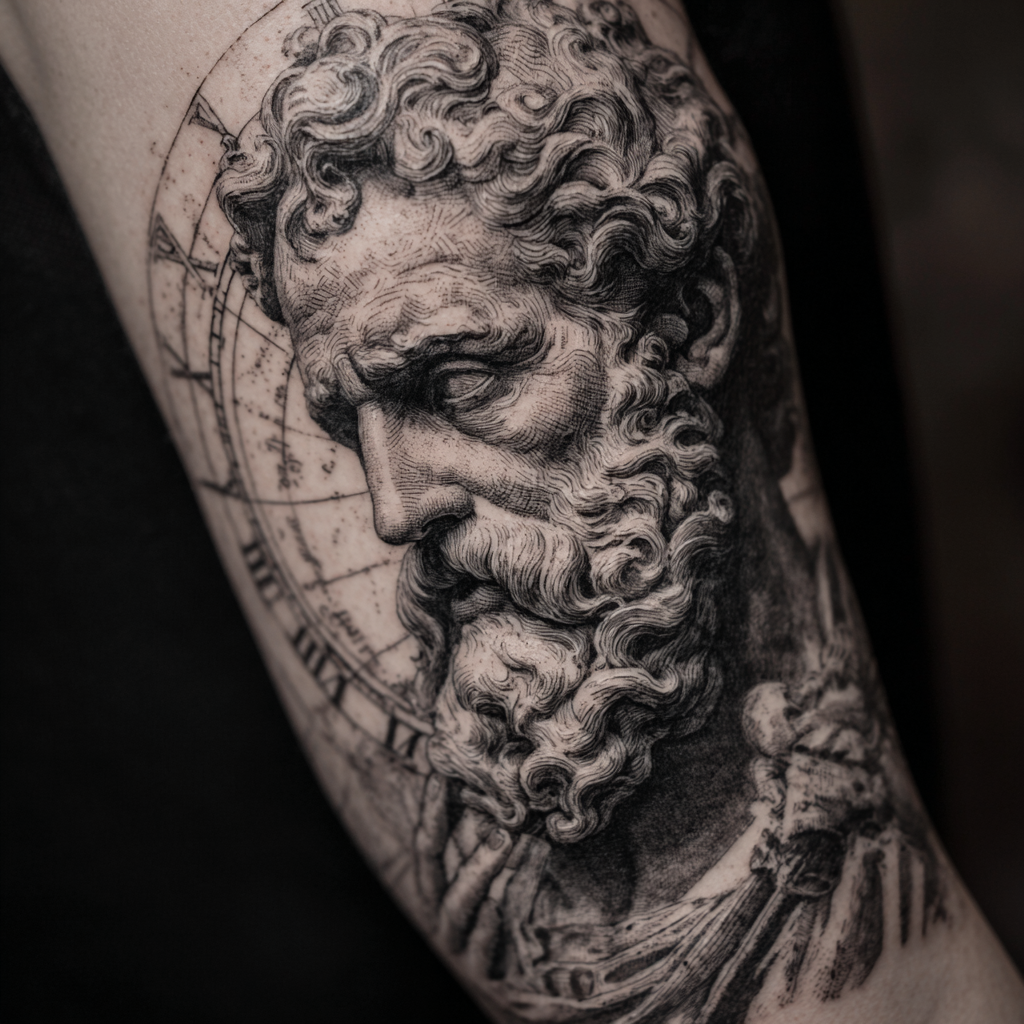
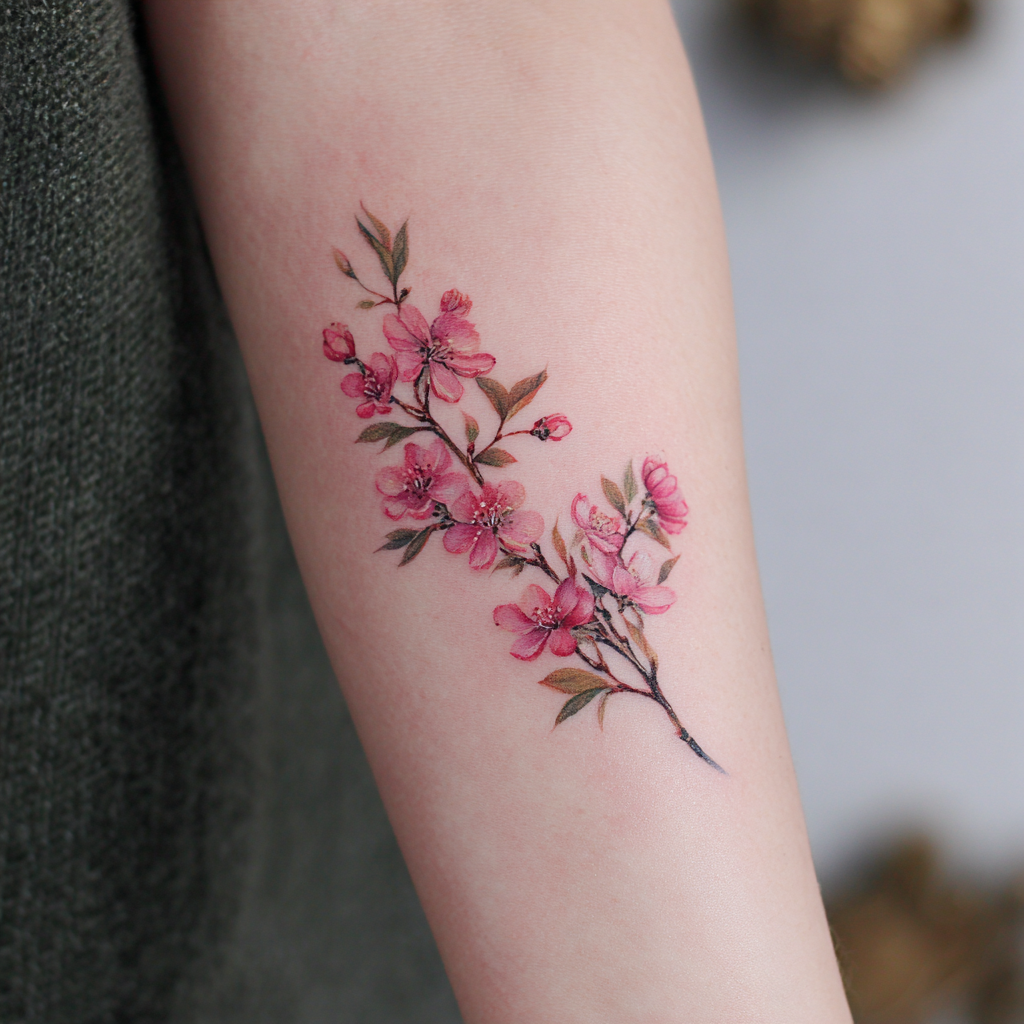
Tattoos have gone from being taboo to trendy in just a few decades. What used to be associated with bikers and outlaws is now part of everyday life. Influencers show off minimalist designs, fine-line tattoos dominate Instagram, and traditional styles are making a comeback thanks to artists who respect the craft.
But one thing hasn’t changed: tattoos are still personal. They’re still about telling your story, even if the tools and trends have evolved.
Why People Have Always Done This
Read the table top to bottom and the reasons keep changing: pain relief, rank, protection, ritual, punishment, a record of where you have been, a way to push back against the mainstream, a design you liked online.
Jax’s Take
The history of tattoos is the history of humanity—pain, pride, and self-expression. If you’re getting inked, remember: you’re part of a tradition that’s older than civilization itself.
And don’t chase trends just because they’re viral. Your tattoo should be yours, whether it’s a nod to ancient warriors or a tiny design you found on TikTok. Tattoos are forever (mostly). Make sure they matter.
I’m Jax. Tattoo artist, professional grump, and your ink therapist (except I don’t actually care about your problems—unless you’re tipping well). Been slinging ink for 15 years. Started out in some sketchy basement shop that smelled like burnt hair and regret. Now? I run Black Vein Tattoo—a little hole-in-the-wall studio where we do art. Not trends. Not Pinterest knockoffs. Real art.